
As your dog enters their senior years, you may start noticing subtle changes in their everyday routine. Maybe they take a little longer to get up after a nap, hesitate before climbing the stairs, move more slowly on walks, or simply prefer lounging on the couch to chasing their favorite toy. While some decrease in energy is expected with age, significant changes in activity or mobility shouldn’t automatically be dismissed as “just getting older.”
There are many reasons a senior dog may begin slowing down. Joint stiffness and discomfort can make movement more difficult, while changes in vision, weight, muscle strength, and overall health can also affect how active they feel. In some cases, a noticeable decrease in energy may even point to an underlying health concern that deserves a veterinarian’s attention.
Paying attention to these changes can help you better understand what your aging companion needs. By recognizing potential problems early and making thoughtful adjustments to their care, you can help support their mobility, comfort, and quality of life throughout their golden years. Here are six common reasons your senior dog may be slowing down, along with what you can do to help.
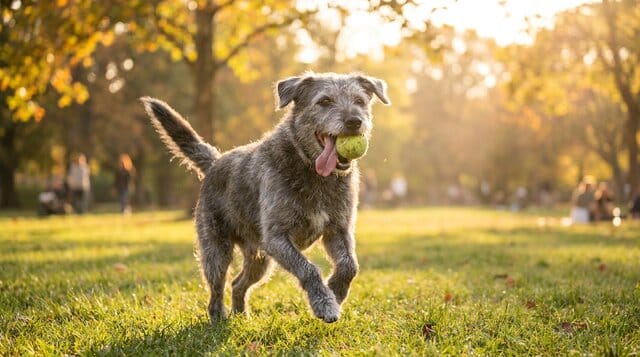
Why Do Senior Dogs Slow Down?
1. Pain/Arthritis

Arthritis is one of the most common ailments affecting older dogs. Painful, inflamed joints cause many seniors to sit on the sidelines when they’d rather be playing.
Before you chalk it up to normal aging changes, ask yourself if your pooch has any of the warning signs of osteoarthritis. Dogs suffering from stiff, painful joints may lick or chew at their hips, elbows, or wrists; become irritable or hesitant to be touched; and/or have trouble getting up from a lying position, climbing stairs, or hopping onto the sofa.
If you suspect your special senior is suffering, see your vet right away. Dogs are extremely stoic, and rather than crying out in pain or favoring their sore limb(s), many cope with their discomfort by resting more and declining to take part in the activities they once loved.
Arthritis cannot be cured, but it can certainly be managed with weight control, proper exercise, medications, and natural supplements.
2. Organ Disease
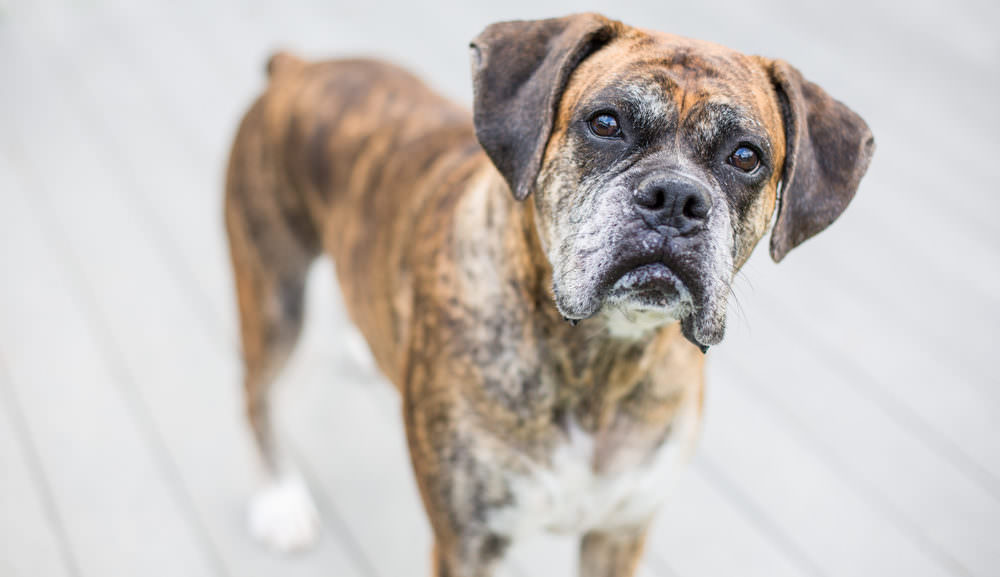
As frightening as it is to consider, slowing down could be a symptom of heart, kidney, or liver disease in a senior-aged dog. Excessive sleeping and exercise intolerance may be a result of the toll these organic diseases take on the body.
Dogs suffering from heart failure slow down due to a weakening of the heart muscle. They often show symptoms such as elevated respiratory rate, coughing, inability to tolerate physical activity, and lethargy.
When the kidneys fail to function properly, toxins build up in the bloodstream, causing symptoms of illness like excessive water intake and urination, poor appetite, depression, and listlessness.
The liver detoxifies the blood and metabolizes everything that enters your dog’s system, including medications like NSAIDs used to treat arthritis. When the liver is not functioning properly, dogs may experience decreased appetite, vomiting, diarrhea, weight loss, increased thirst and urination, depression, and lethargy.
Believe it or not, organ disease can often be traced back to your dog’s teeth. Advanced dental disease causes bacteria to enter the bloodstream, causing irreversible damage to the heart, liver, and kidneys, so be sure to prioritize your dog’s dental health sooner rather than later!
3. Metabolic Disease
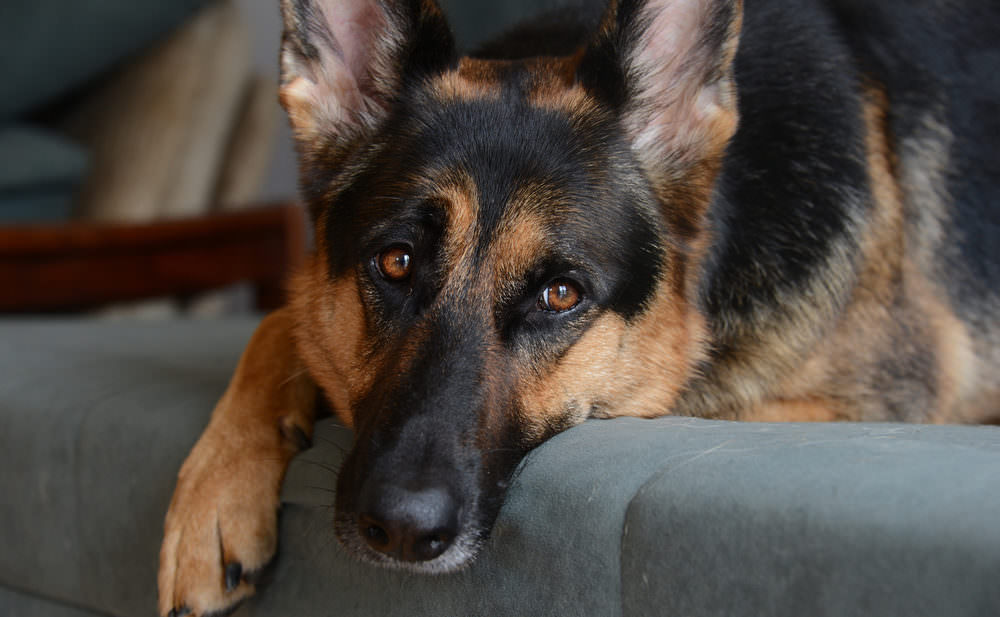
In addition to organ disease, conditions of the metabolic system are also common in senior dogs and can cause symptoms like depression, lethargy, and exercise intolerance. While often attributed to the normal slowing down of old age, these signs could indicate your dog has a serious condition.
Diabetes, hypoglycemia, hypothyroidism, Cushing’s disease, and Addison’s disease are examples of metabolic diseases commonly seen in older dogs. Unfortunately, many do not show outward signs until they are quite sick. To catch these illnesses in their early stages, seniors should see the vet every 6 months for a full geriatric exam and workup.
4. Anemia

Anemia occurs when a dog has a lower-than-normal level of red blood cells due to injury or illness. Sometimes the body attacks these oxygen-transporting cells as a reaction to a foreign substance, but in older dogs, anemia is often a symptom of a larger problem like chronic kidney disease or certain kinds of cancer.
The most common symptoms of anemia include excessive sleepiness, exercise intolerance, and decreased appetite. If your senior dog is showing these signs of slowing down, be sure to take it seriously and check the gums for paleness, another symptom of a low red blood cell count.
If left untreated, anemia can become so severe that patients suffer seizures, brain and organ damage, or even death.
5. Cognitive Dysfunction Syndrome (CDS)
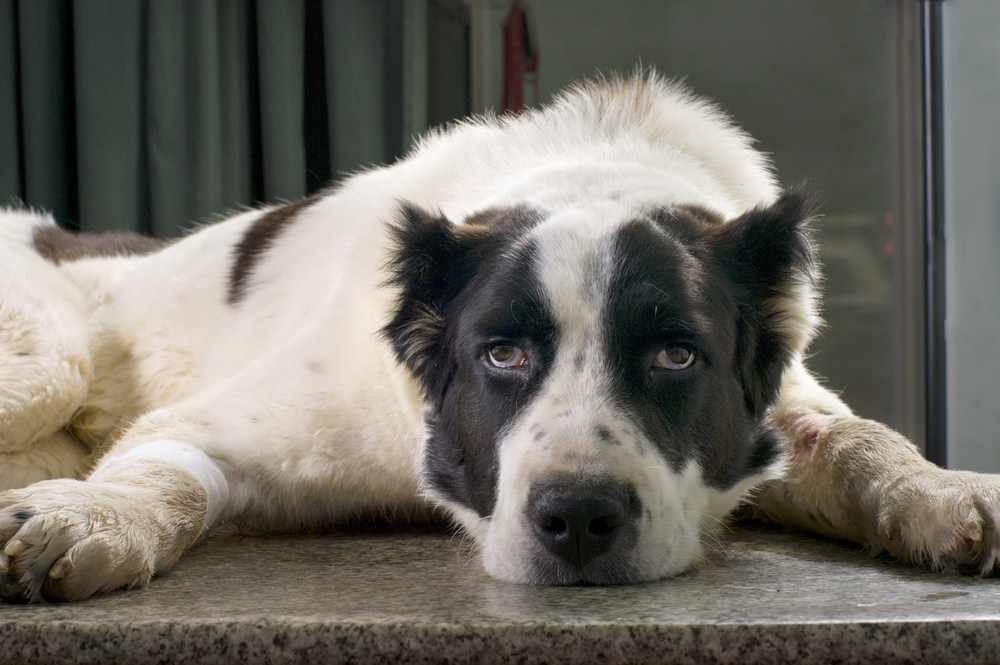
Canine cognitive dysfunction or doggy dementia is often referred to as the pooch form of Alzheimer’s disease. While it is normal for geriatric dogs to experience a “senior moment” from time to time, be careful not to confuse dementia with normal aging changes.
There is an acronym to help vets and dog owners recognize the signs of canine cognitive dysfunction. D.I.S.H.A. stands for Disorientation; [altered] Interactions with family members or other pets; Sleep-wake cycle changes; House soiling; and Activity level changes.
More specifically, the symptoms may include confusion in familiar surroundings, anxiety, irritability, disregard for previous training, restlessness at night and/or sleeping all day, house soiling, etc. The average senior dog may experience one or two of these problems, but when several are present, cognitive dysfunction is likely to blame.
Although a full veterinary workup is necessary to confirm the diagnosis, PetMD reports that “clinical signs of cognitive dysfunction syndrome are found in 50 percent of dogs over the age of 11, and by the age of 15, 68 percent of dogs display at least one sign.”
There is no cure for CDS, but you can help ease your pup’s symptoms by providing lots of stimulation in the form of one-on-one interaction, physical exercise, and “brain games.” There is also evidence that supplementing the diet with antioxidants, vitamins E and C, selenium, flavonoids, beta-carotene, Omega-3 Fatty Acids, and carnitine can help improve cognitive function.
6. Medications

The drugs we give our dogs often have similar side effects to human medications, including drowsiness and sluggishness. Antihistamines, anti-seizure drugs, sedatives, anti-anxiety drugs, and many pain meds have been known to carry a risk for these inconvenient reactions.
While the side effects may lessen with long-term use, you should report excessive weakness, lethargy, or disorientation to your veterinarian.
Helping Your Senior Dog Stay Active and Comfortable
Understanding why your senior dog is slowing down can help you make informed decisions about their care. With the right combination of nutrition, regular veterinary checkups, gentle exercise, and supportive daily habits, many older dogs can continue to enjoy an active and fulfilling life. Paying attention to changes early gives your loyal companion the best chance to stay happy, comfortable, and moving with confidence.
H/T to WebMD Pets & PetMD
 Toledo, United States.