
iHeartDogs is reader-supported. When you buy via links on our site, we may earn an affiliate commission at no extra cost to you.
Determining a dog’s real age is far more complicated than simply multiplying by seven for every “human” year. According to veterinarians and researchers, size and breed both play major roles in canine aging.
From tiny Chihuahuas to giant Great Danes, there simply cannot be a one-size-fits-all calculation for the entire species. Dogs also age at different rates throughout their lives, maturing much more quickly than humans during their early years before their rate of aging begins to vary more noticeably.
Genetics, overall health, lifestyle, and individual differences can also influence how a dog ages. That’s why human-age charts are best viewed as helpful estimates rather than exact conversions. They can give us a general idea of where a dog is in the aging process, but a simple formula can never tell the whole story.

A study led by Dr. Kate Creevy of the University of Georgia College of Veterinary Medicine found that while small dogs have the aging advantage later in life, they age faster in the first two years. On the other hand, very large dogs can take up to two years to reach full maturity, but may only live another five or six years.
“Small dogs reach skeletal and reproductive maturity sooner than larger breeds,” Creevy said in an interview with BBC. “Once they’ve achieved those measures of adulthood, they carry on to live longer.”
Strangely, this phenomenon only appears in dogs. Dr. Creevy chalks it up to the fact that no other species has such a diverse range of sizes. To determine your dog’s real age, she recommends the following guidelines:
For the first two years:
- Small dogs: 12.5 years per human year
- Medium-sized dogs: 10.5 years per human year
- Large dogs: 9 years per human year

The American Veterinary Medical Association (AVMA) put together the following graph to give you a general idea by breed size:

When Is a Dog Considered a Senior?
There isn’t a specific age at which every dog officially becomes a senior. Dogs age at different rates depending on factors such as their breed, size, genetics, overall health, and expected lifespan. This is one reason converting a dog’s age directly into “human years” can only provide a rough estimate.
According to the American Animal Hospital Association (AAHA), the senior stage for dogs is generally considered the final 25% of their estimated lifespan. Because life expectancy varies considerably among dogs, one dog may enter the senior stage years before another dog of the same chronological age.
Size often plays an important role. In general, smaller dogs tend to have longer lifespans than larger and giant breeds. As a result, a large or giant dog may reach the senior stage at a younger age, while a small dog may remain in an earlier adult life stage for longer.
Human-age comparison charts can still be a fun and useful way to illustrate how quickly dogs mature and age, but they shouldn’t be used to determine exactly when an individual dog becomes a senior. There is no universal formula that accurately converts every dog’s age into a corresponding human age.
Instead of focusing on a single number, dog parents should pay attention to their dog’s individual health and changes that may accompany aging. These can include changes in activity, mobility, weight, vision, hearing, sleep patterns, behavior, or cognitive function.
Regular veterinary examinations become especially important as dogs get older. A veterinarian can consider your dog’s breed, size, medical history, physical condition, and expected lifespan to determine where they are in the aging process and whether their healthcare routine should change.
Ultimately, age is only one piece of the picture. Two dogs, both 10 years old, can be at very different stages of life, which is why evaluating each dog individually provides a much more meaningful picture than simply multiplying their ages by 7.
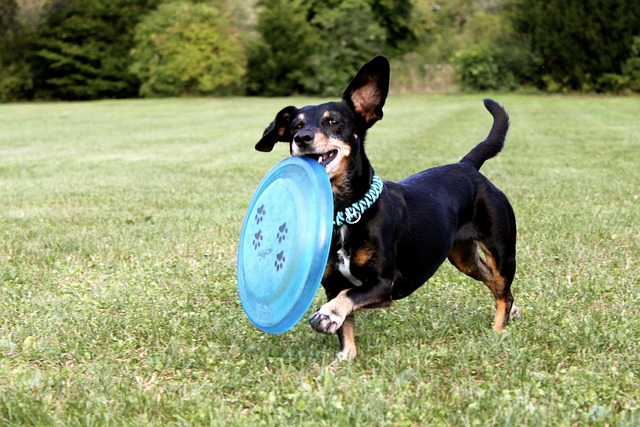
Determining a dog’s real age becomes more complicated if the biological age is unknown and/or the pooch is a mixed breed. With these dogs, taking a peek at the teeth can be quite helpful.
These canine dental facts can help you approximate your dog’s biological age:
- At 8 weeks, all baby teeth are in.
- By 7 months: All permanent teeth are in and are white and clean.
- 1-2 years: Teeth are duller, and the back teeth may have some yellowing.
- 3-5 years: All teeth may have tartar buildup and some tooth wear.
- 5-10 years: Teeth show more wear and signs of disease.
- 10-15 years: Teeth are worn, and heavy tartar buildup is likely. Some teeth may be missing.
However, keep in mind that the extent of dental damage and disease will vary based on breed mix and previous lifestyle. Many rescue dogs suffer from broken or rotten teeth due to poor nutrition and past trauma.
No matter the dog’s age or breed, he should receive dental care to prevent serious problems like bone loss, infections, and organ damage. After a thorough veterinary exam and a professional cleaning (if needed), you can begin a routine of brushing with enzymatic toothpaste, giving dental treats, and even playing with tooth-cleaning toys!

The condition of the skin and coat can also give clues to a dog’s real age.
Grey hair around the muzzle, face, legs, and body usually means a dog has reached senior status. The skin also tends to lose moisture with age, resulting in dryness and a brittle-feeling coat.
In addition to promoting healthy digestion, high-quality probiotics can help improve skin and coat quality. The digestive enzymes in iHeartDogs Pupkin™ Probiotics Powder help dogs better absorb nutrients from their food and eliminate toxins from the body, resulting in healthier skin.
To combat itching and restore your senior dog’s soft, lustrous coat, Omega fatty acids (OFAs) are a must. Honey Guard™ Allergy & Itch Omega 3-6-9 Powder is made from sustainably sourced krill oil to support a soft, silky coat, minimize normal shedding, and maintain the skin’s moisture content.
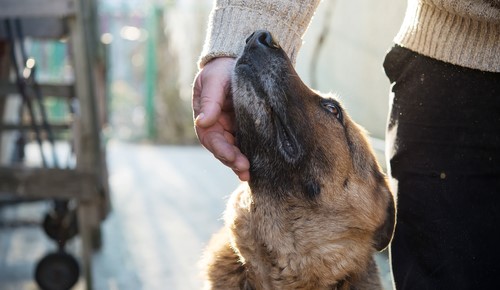
Take a long gaze into your dog’s eyes.
Do they appear cloudy or have a bluish film? This could indicate common signs of aging, such as lenticular sclerosis (the hardening of the lenses) or cataracts. Omega-3 fatty acids are important for maintaining healthy eyes. Several studies suggest they may even protect against degenerative ocular disorders such as glaucoma.
Try a Pet Age DNA Test.
The EpiPaws Pet Age Test Kit is a great way to get an accurate age estimate for your rescue dog. It uses epigenetic sequencing technology to guess your dog’s age within a year of their actual age. (Get 10% off with the code IHDOGS10)

Finally, you may be able to determine a dog’s real age based on their joint health.
Older dogs often suffer from muscle wasting around their hips and shoulders. Arthritis and fluid loss in the joint spaces cause them to walk with a stiff, peg-legged gait. Some may even have trouble getting up from a lying position, climbing into the car, or managing stairs.
Eicosapentaenoic acid (EPA) is an Omega-3 fatty acid found in krill oil and known for its exceptional anti-inflammatory properties. It helps ease inflammatory conditions of the heart, kidneys, skin, and joints, including arthritis. While OFAs are especially important for senior dogs, it’s never too early to start protecting their skin, eyes, and joint health with Omega 3-6-9 Powder.
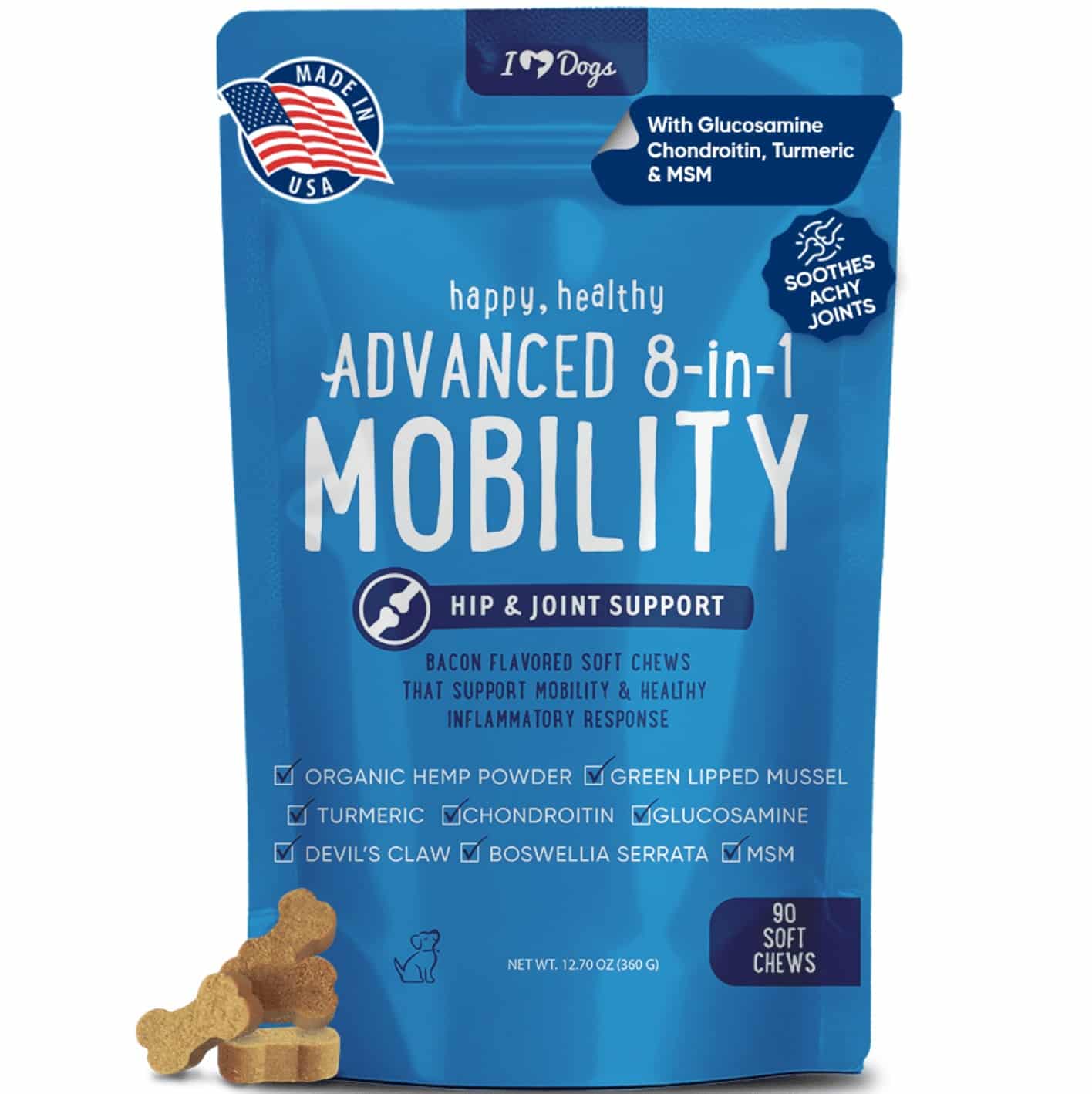
Another powerful product in the fight against canine arthritis is iHeartDogs Advanced 8-in-1 Dog Joint Supplement Chews. Packed with a unique combination of anti-inflammatory ingredients like glucosamine, chondroitin, and MSM, these bacon-flavored treats provide improved flexibility, strengthened cartilage, and natural relief from joint distress.
Understanding Your Dog’s Age Is About More Than a Number
Figuring out your dog’s “real” age isn’t as simple as multiplying their years by seven. Breed, size, genetics, overall health, and lifestyle can all influence how quickly a dog ages, making human-age comparisons useful estimates rather than exact measurements. More important than calculating a specific number is paying attention to how your dog changes over time and adjusting their care as their needs evolve. Regular veterinary checkups, proper nutrition, appropriate exercise, and plenty of love can help support your dog through every stage of life, whether they’re an energetic youngster, a mature adult, or enjoying their golden years.
No matter your dog’s age, they’re only as old as they feel. So keep them feeling great!
 Toledo, United States.