
iHeartDogs is reader-supported. When you buy via links on our site, we may earn an affiliate commission at no extra cost to you.
If your senior Labrador Retriever is slowing down, showing stiffness, or simply needs extra nutritional support, the right supplement can help them stay healthier and more comfortable. The best supplements for a senior Lab can support joint health, mobility, digestion, immune function, and overall well-being as they age. This guide highlights top-rated options to help you choose the right fit for your loyal companion and keep their tail wagging for years to come.

Best Senior Lab Supplements
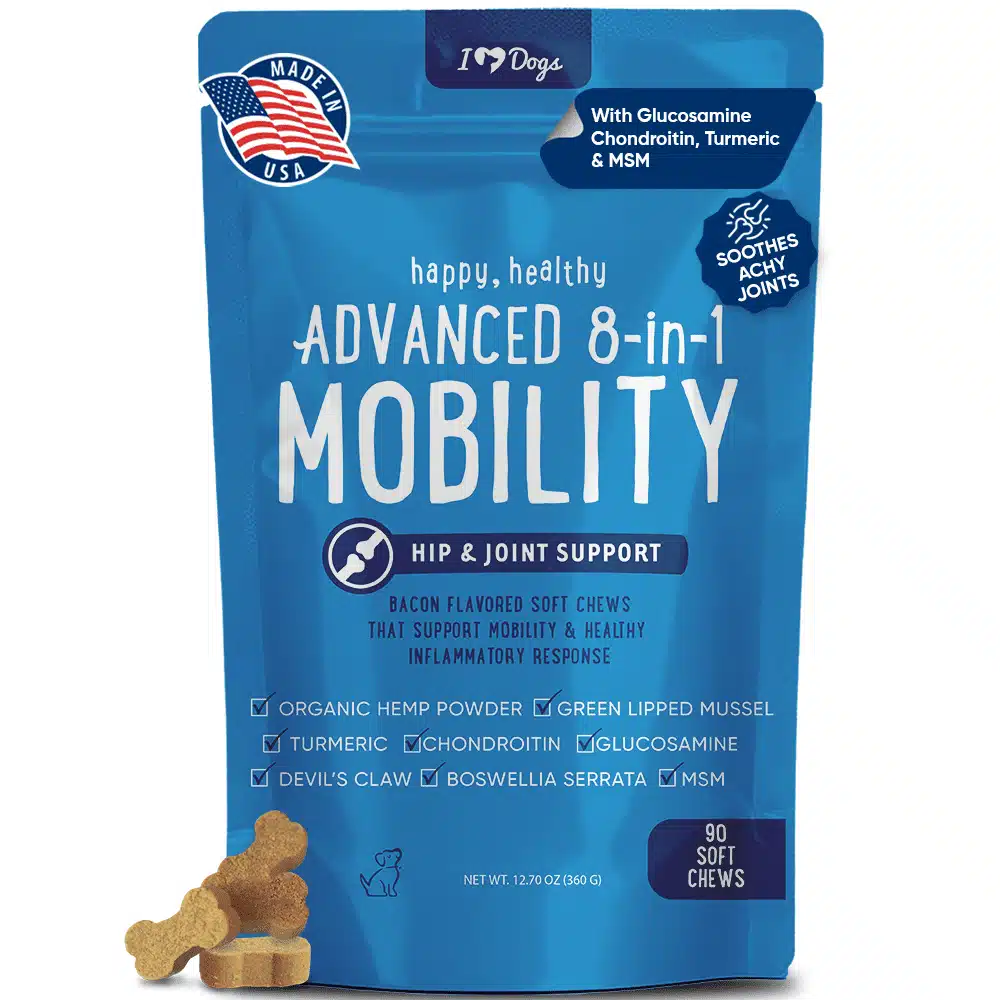
1. Glucosamine & Chondroitin for Supporting Your Senior Lab’s Aging Joints
Joint pain and arthritis are some of the most common ailments an aging lab will face. Supplements containing glucosamine aid in replacing lost joint fluid, providing much-needed lubrication and cushioning to stiff, achy joints. Chondroitin sulfate has been shown to improve the structural integrity of joints by repairing damaged cartilage and preventing further cartilage breakdown.
You can learn more about the glucosamine and chondroitin supplement iHeartDogs recommends here.

2. Probiotics for Immune & Gut Support for Your Senior Lab
Probiotics are supplements containing large doses of microorganisms. They promote a healthy GI tract by allowing the “good” bacteria in the gut to flourish. “Bad” bacteria often accumulate due to stress, illness, and prolonged use of medications. Since the majority of your senior dog’s immune system is located in the gut, probiotics also help to maintain health throughout the body.
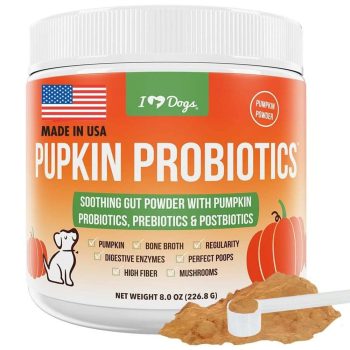
iHeartDogs Pupkin™ Probiotics, Prebiotics, & Postbiotics is a complete daily digestive supplement designed to support healthy digestion, firmer stools, and immune function. It combines 3 billion CFU of probiotics across four beneficial strains with prebiotics and postbiotics to help nourish beneficial gut bacteria and maintain a healthy intestinal environment. Pumpkin provides a natural source of fiber to help regulate bowel movements, while digestive enzymes promote better nutrient absorption. The formula also includes bone broth to help support the digestive tract and turkey tail mushrooms for additional immune support, making it an excellent daily choice for dogs with sensitive stomachs or aging digestive systems.
3. Honey Guard™ – Allergy & Itch Omega 3-6-9 Powder
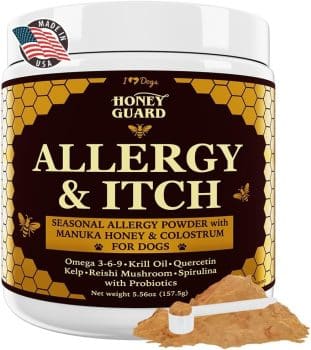
As Lab dogs grow older, maintaining healthy skin and a soft, shiny coat can become an important part of their overall wellness routine. Honey Guard™ Allergy & Itch Omega 3-6-9 Powder is a great option for a senior Lab because it provides a blend of Omega 3, 6, and 9 fatty acids, including pure Antarctic krill oil, to support healthy skin and coat condition. It also helps maintain normal skin moisture and provides nutritional support for dogs that experience seasonal or environmental allergies. The convenient powder formula mixes easily into food, making it especially useful for senior dogs that may be picky eaters or have difficulty chewing supplements.
This supplement fits well into a daily health plan for an aging Lab by offering targeted skin and coat support alongside a balanced diet and regular veterinary care. Every purchase also helps feed shelter dogs, making it a choice that benefits dogs beyond your own companion. If skin and coat health are a priority for your senior Lab, Honey Guard™ Allergy & Itch Omega 3-6-9 Powder is worth checking out.

4. Milk Thistle for Your Lab’s Liver & Kidney Support, Especially for Dogs Taking Pain Meds
Natural milk thistle is said to protect the liver from damage and may actually improve liver function. This is important for aging labs, especially those with existing liver problems and those taking medications known to be taxing on the liver. For example, any dog regularly taking an NSAID pain medication such as carprofen, Novox, Rimadyl, deracoxi, Deramaxx, firocoxib, Previcox, meloxicam, Metacam, grapipant, or Galliprant may need additional liver support. Make sure to discuss this with your vet.

5. Curcumin (from Turmeric) for Pain & Inflammation
This “wonder spice” is a derivative of turmeric and promotes brain and joint health in aging labs. Some studies have suggested that turmeric can provide nearly the same pain relief as an NSAID drug. Lastly, curcumin is also known for its possible anti-tumor properties and for helping to support dental health.
Many high-quality hip and joint supplements, such as this one, contain turmeric in the formula.

6. Hemp Oil for Your Senior Lab’s Pain & Inflammation
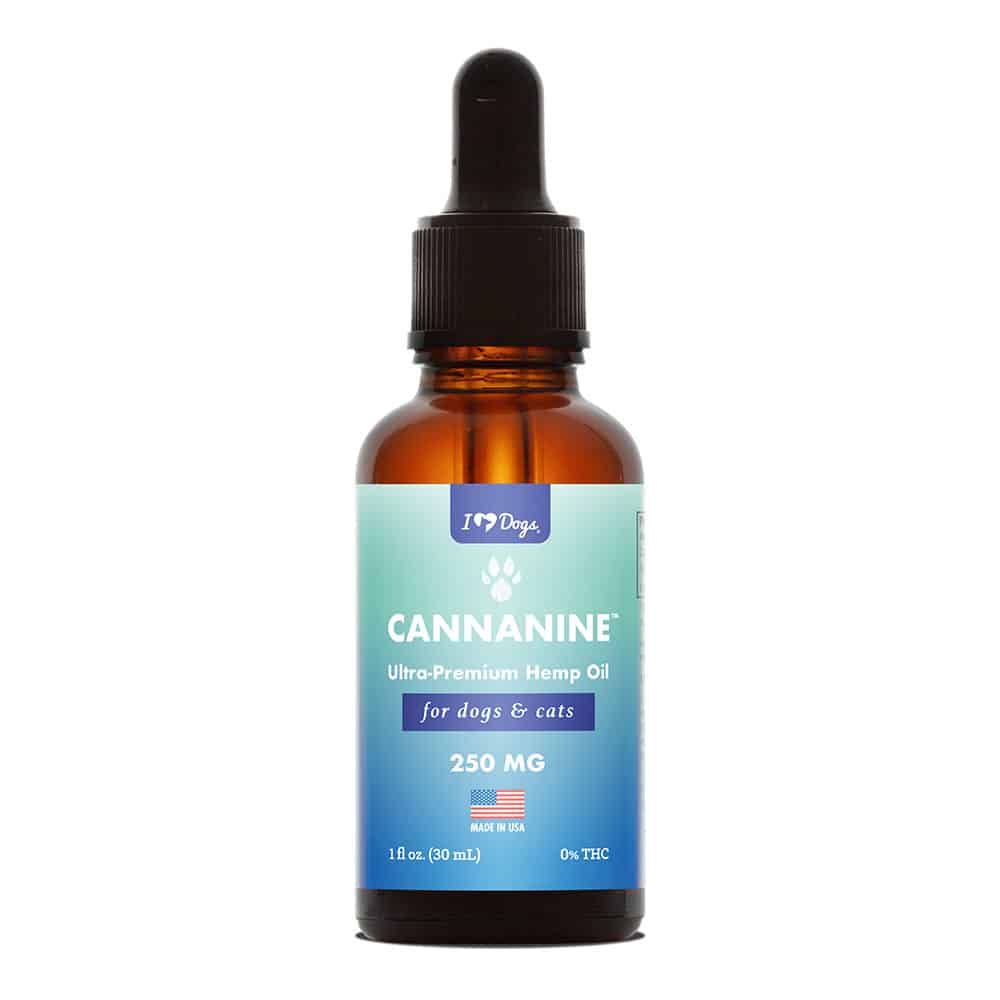
No discussion of senior dog supplements would be complete without discussing hemp. In the last 5 years, several studies have begun to show great promise for hemp in helping to alleviate joint pain, calm nervous dogs, reduce inflammation caused by allergies, and reduce seizures in epileptic pups.
We’d recommend a hemp oil or hemp chew that contains 0% THC, as well as using a product that is tested multiple times throughout the manufacturing process to ensure a pure and potent product. Here at iHeartDogs, we only sell and recommend the Cannanine brand.
7. Fiber for Your Senior Lab’s Digestive Health
Senior dogs may experience changes in the lining of the intestines, which lower their ability to digest and absorb the nutrients in their food. Adding healthy fiber to your older pup’s diet supports a healthy digestive system, combats constipation, and promotes overall health.

8. Extra Protein for General Lab Aging Support
As your lab’s body ages, it breaks down muscle and tissues at a faster rate than before. For this reason, aging dogs need extra protein in their diet (note: there are some exceptions, such as if your senior dog has chronic kidney disease, in which your vet may recommend a lower protein diet).
Many senior lab parents opt to add additional protein to their dog’s kibble, such as a cooked or raw egg, chicken breast, or a freeze-dried dog food topper. Surprisingly, most kibbles only contain around 20-30% protein, so boosting this vital nutrient can be very helpful for seniors. It can also substantially help their appetite!
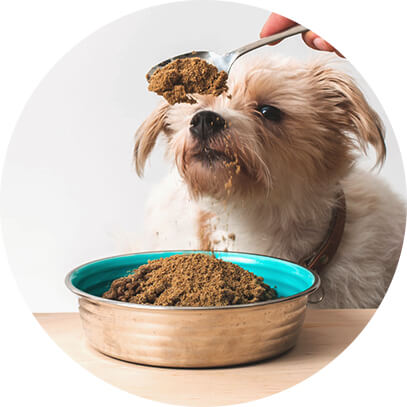
9. Dog-Safe Mushrooms such as Shiitake, Turkey Tail, & Reishi for Immune Boosting Support
Mushrooms are an incredibly exciting area of emerging nutritional studies. Some clinical trials have shown great promise in extending the lifespan of dogs battling cancer. And while it’s not a miracle, mushrooms like Reishi, Turkey Tail, and Shiitake can undoubtedly boost the immune system of your lab.
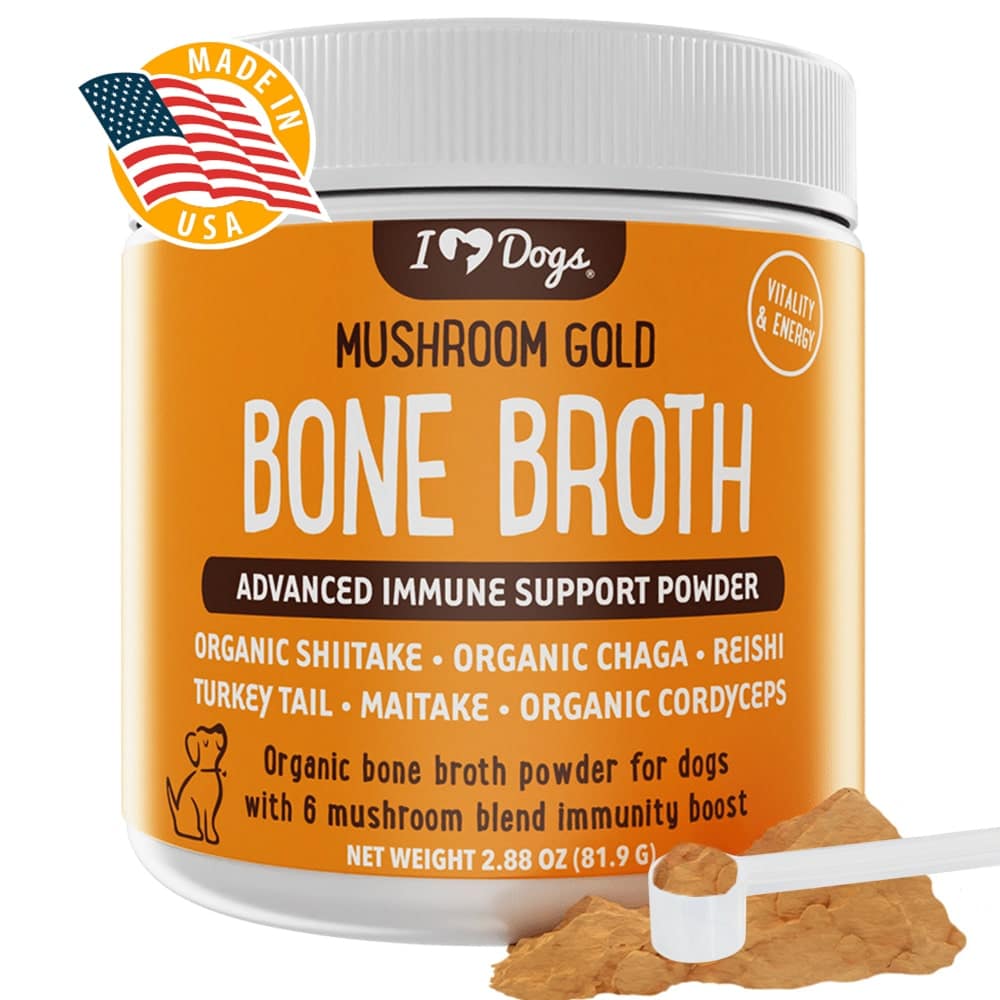
As you are probably aware, many mushrooms can be toxic to dogs, especially those found in your yard. Make sure to use a dog-safe mushroom supplement if you choose to give one to Fido. This particular formula contains 6 different mushrooms, as well as organic chicken bone broth.

10. Collagen-rich bone Broth, which supports healthy joints and skin in seniors
One of the biggest causes of early death in labs is reduced mobility. Bone broth is packed with joint-supporting nutrients like glucosamine, chondroitin, and collagen, all of which help keep your older pup mobile longer. In addition, most senior dogs LOVE the flavor, and it will boost the nutrition and taste of their current food.
The product iHeartDogs recommends and sells contains both bone broth and 6 different immune-supporting mushrooms.
FAQs About the Best Supplements for a Senior Lab
1. What are the most important supplements for senior Labradors?
Senior Labs often benefit from joint health supplements (glucosamine, chondroitin, MSM), omega-3 fatty acids, probiotics, and vitamins that support cognitive and immune health.
2. Do older Labradors really need supplements?
Yes, as Labradors age, they are prone to arthritis, hip dysplasia, reduced mobility, and weaker immune systems. Supplements can help manage these conditions and improve quality of life.
3. What joint supplements are best for senior Labs?
Glucosamine, chondroitin, MSM, and green-lipped mussel are the most effective for joint support and reducing inflammation.
4. How do omega-3 fatty acids help older Labradors?
Omega-3s from fish oil or krill oil reduce inflammation, support joint health, improve skin and coat condition, and promote brain function in aging dogs.
5. Can supplements improve my senior Lab’s mobility?
Yes. Joint supplements combined with omega-3s can ease stiffness, reduce arthritis pain, and support smoother movement in older dogs.
6. Are probiotics good for senior Labradors?
Absolutely. Probiotics support gut health, aid digestion, and help maintain a strong immune system, which becomes more important as dogs age.
7. Do senior Labs need multivitamins?
Yes, a quality multivitamin can help fill nutritional gaps, especially if your Lab eats commercial food or has reduced nutrient absorption with age.
8. How do antioxidants help senior Labradors?
Antioxidants like vitamins C and E combat oxidative stress, slow cellular aging, and support brain and immune health in older dogs.
9. What supplements support cognitive function in senior Labs?
Omega-3s, antioxidants, and specific brain-supporting nutrients like phosphatidylserine and MCT oil can help with memory, alertness, and slowing cognitive decline.
10. Can supplements help with my senior Lab’s skin and coat?
Yes. Fish oil, flaxseed oil, and biotin support skin hydration, reduce shedding, and keep coats shiny and healthy.
11. Are there supplements for senior Labs with hip dysplasia?
Yes. Joint supplements with glucosamine, chondroitin, MSM, and turmeric can reduce inflammation and ease hip dysplasia discomfort.
12. How do I know if my senior Labrador needs supplements?
Look for signs like stiffness, slower movement, joint pain, dull coat, digestive issues, or fatigue. A vet checkup can confirm which supplements are most beneficial.
13. Can I give my senior Lab human supplements?
No. Many human supplements contain unsafe dosages or toxic ingredients for dogs. Always choose pet-specific supplements.
14. How long does it take for supplements to work in senior Labradors?
It varies, but most Labs show improvement in mobility, energy, or coat condition within 4–6 weeks of consistent use.
15. Should I consult a vet before giving my senior Lab supplements?
Yes. A veterinarian can recommend the right dosage and ensure supplements won’t interfere with existing medications or health conditions.
These statements have not been evaluated by the Food and Drug Administration. This product is not intended to diagnose, treat, cure, or prevent any disease. The information on this website is not intended to replace a one-on-one relationship with a qualified healthcare professional.
Related: Top Pet Insurance Plans for Labs

Choosing the Best Supplements for a Senior Lab
As Labs age, their nutritional needs change, making the right supplements an essential part of their daily care. From joint support to digestive health and immune-boosting formulas, high-quality supplements can help keep your senior Lab active, comfortable, and happy. Always consult your veterinarian before adding new supplements to ensure they match your dog’s specific health needs. By choosing the best senior dog supplements, you’ll support your Lab’s overall well-being and give them the healthy, happy golden years they deserve.
 Toledo, United States.