
iHeartDogs is reader-supported. When you buy via links on our site, we may earn an affiliate commission at no extra cost to you.
Iron is an essential mineral that helps support healthy red blood cell production, oxygen circulation, and overall energy levels in dogs. If your furry friend is experiencing iron deficiency or anemia, finding the best iron supplements for dogs can help support their health when recommended by a veterinarian. With various options available, choosing a high-quality iron supplement that is safe, effective, and easy to administer is important. In this guide, we’ll explore the 5 best iron supplements for dogs to help you make an informed decision about your pet’s nutritional needs.
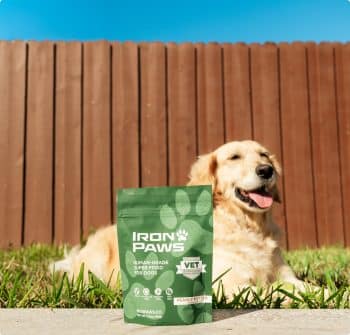
Choosing the Right Iron Supplement for Dogs
#1 – Nutrition Strength Iron for Dogs with Anemia to Support Blood Health
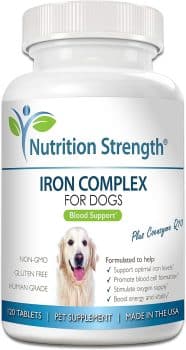
Nutrition Strength Iron for Dogs is a supplement designed to support blood health and combat anemia in dogs. It contains essential nutrients such as iron, vitamin C, folate, and vitamin B12, which are crucial for red blood cell formation and oxygen supply in the body. This supplement is suitable for dogs of all ages and sizes and is made in the USA with high-quality ingredients. The manufacturer offers a 365-day guarantee, ensuring customer satisfaction.

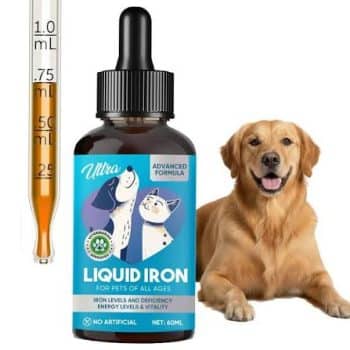
#2 – Liquid Iron Supplements for Anemia in Dogs and Cats
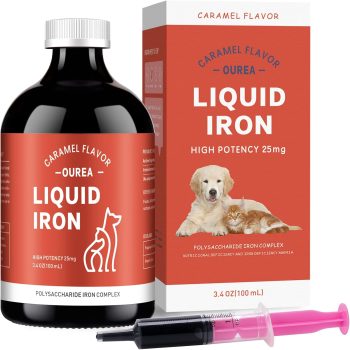
Liquid Iron Supplements for Anemia in Dogs and Cats is a veterinarian-formulated supplement designed to treat nutritional deficiencies and support blood health in pets. Its high potency and easy-to-digest polysaccharide iron complex formula reduce the common side effects associated with iron supplements. The liquid form is easily administered and has a delicious taste that pets love, making it suitable for even the pickiest eaters. The supplement boosts energy and vitality by increasing red blood cell production and hemoglobin levels, improving oxygen transport, and reducing fatigue. It is made with natural and high-quality ingredients, without any artificial preservatives, colors, or flavors.
#3 – Liqui-Tinic 4X Flavored Vitamin and Iron Supplement for Dogs, Cats, Puppies & Kittens
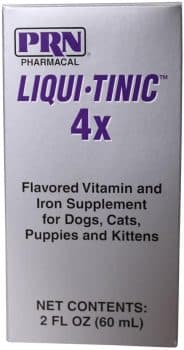
Liqui-Tinic 4X is a flavored vitamin and iron supplement that is designed for dogs, cats, puppies, and kittens. It serves as a nutritional supplement, providing essential vitamins, amino acids, and B complex to support overall health. With its iron supplement properties, it can also be beneficial for pets with deficiencies or those needing an extra boost of iron. The 2 oz. bottle is convenient and easy to administer.
#4 – 3in1 Blood Aid, Immunity & Energy for Dogs, Iron Supplement for Dogs
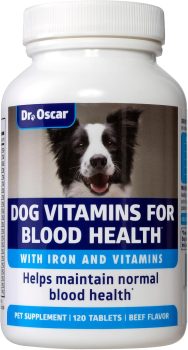
The Dr Oscar 3in1 Blood Aid, Immunity & Energy for Dogs is a blood supplement for dogs that aims to maintain blood health, normal red blood cell levels and clotting function, and support immune function. It provides more essential vitamins, minerals, and nutrients compared to competitors to support all three blood cell types. Additionally, it contains iron from two sources, as well as important vitamins for iron absorption, to support red blood cells and overall blood health. It also supports energy, vitality, and the immune system in dogs. The product is made in the USA from high-quality, non-GMO ingredients without soy, gluten, wheat, peanuts, artificial flavorings, or preservatives.
#5 – Nutrition Strength Blood Support for Dogs, Supplement for Anemia in Dogs

The Nutrition Strength Blood Support for Dogs is a supplement designed to support dogs with anemia by promoting red blood cell health. It contains high levels of iron, vitamin B12, organic spirulina, and purpurea, which have been carefully studied for their role in red cell growth and development. This supplement is suitable for dogs of all ages, shapes, and sizes and is made in the USA with carefully selected, high-quality ingredients.
Why Might a Dog Need an Iron Supplement?
There are several reasons why a dog might require an iron supplement. Iron is essential for the production of hemoglobin, which is a protein in red blood cells that carries oxygen throughout the body. Without enough iron, your dog could develop anemia, leading to symptoms such as fatigue, weakness, pale gums, and rapid breathing.
Here are a few reasons your dog might need an iron supplement:
- Dietary Deficiency: If your dog’s diet is not well-balanced and lacks iron-rich foods, they might need a supplement to compensate for this deficiency.
- Chronic Blood Loss: Conditions like parasites, tumors, or ulcers could lead to chronic blood loss, which in turn can lead to an iron deficiency.
- Poor Absorption: Certain health conditions can impact the dog’s ability to absorb iron from their diet, necessitating a supplement.
- Pregnancy or Nursing: Pregnant or nursing dogs might require more iron than usual to support their puppies’ growth and development.
- Growth Stage: Puppies might need iron supplements as they grow and develop, particularly if they’re not getting enough from their mother’s milk or their food.
However, it’s important to remember that you should never give your dog an iron supplement without consulting with your vet first. Too much iron can be harmful to dogs, so it’s essential to get professional advice to determine if your dog needs a supplement and how much they should take.

What Dogs Should Not Take an Iron Supplement?
While iron is an essential nutrient for dogs, some dogs should not take an iron supplement unless specifically advised by a veterinarian. These include:
- Dogs with Hemochromatosis: This is a rare genetic disorder where too much iron builds up in the body, leading to liver, heart, and pancreatic damage. Dogs with this condition should not be given additional iron.
- Dogs with Iron Overload Disorders: Some dogs might have conditions that cause excessive iron storage in their bodies. This could lead to iron poisoning if further supplements are given.
- Dogs with Certain Medical Conditions: Dogs with conditions such as certain types of cancer, liver disease, or gastrointestinal conditions might not benefit from additional iron, and it could even be harmful.
- Dogs on Certain Medications: Some medications can interact negatively with iron supplements. If your dog is on medication, it’s important to consult your vet before starting them on an iron supplement.
- Healthy Dogs with a Balanced Diet: Dogs that are healthy and consume a balanced, complete, and nutritionally adequate diet typically do not need an iron supplement. Over-supplementing iron in these dogs could potentially lead to iron toxicity.
Remember, you should always consult your vet before starting any new supplement regimen for your dog. They can provide guidance based on your dog’s specific health needs and circumstances.

Frequently Asked Questions About Iron Supplements for Dogs
1. Why does my dog need iron?
Iron is an essential nutrient that helps in producing hemoglobin in your dog’s body. Hemoglobin is a protein in the red blood cells responsible for carrying oxygen throughout the body. Without adequate iron, your dog can become anemic, leading to lethargy, weakness, and other health issues.
2. Can I give my dog an iron supplement without consulting a vet?
No, it’s not advisable. While iron is necessary for dogs, too much can lead to iron toxicity, which can cause severe health problems. Always consult your vet before starting any new supplement.
3. What are signs my dog might be deficient in iron?
Signs of iron deficiency in dogs include weakness, lethargy, loss of appetite, pale gums, and rapid breathing. If you notice any of these signs, contact your vet immediately.
4. What foods are high in iron for dogs?
Foods like liver, meat, fish, poultry, and some vegetables are high in iron. However, it’s crucial to provide a balanced diet to avoid excessive intake of iron, which can also be harmful.
5. What are the side effects of iron supplements in dogs?
Potential side effects include vomiting, diarrhea, dark stools, or constipation. In severe cases, excessive iron can cause iron toxicity, which can lead to organ damage.
6. How is iron deficiency diagnosed in dogs?
A veterinarian can diagnose iron deficiency through blood tests, including a complete blood count, which will show if your dog has a low red blood cell count indicating anemia.
7. What is iron toxicity in dogs?
Iron toxicity occurs when a dog ingests too much iron, either through consuming human iron supplements, an accidental overdose of pet iron supplements, or a diet too high in iron. It can lead to organ damage, particularly the liver and heart, and can be fatal if not treated promptly.
8. Can puppies take iron supplements?
Puppies should only take iron supplements if prescribed by a veterinarian. While they have higher iron requirements than adult dogs due to rapid growth, most commercial puppy foods are designed to meet these needs.
9. Can I give my dog the same iron supplement that I take?
No, human supplements are not designed for dogs and can contain levels of iron that are too high for them. Always use a product designed for dogs and only under the guidance of a vet.
10. Are there natural ways to boost my dog’s iron levels?
Yes, feeding your dog a balanced diet that includes iron-rich foods, such as beef, liver, and fish, can help maintain proper iron levels. However, always consult with a vet to ensure your dog’s diet meets all their nutritional needs.
11. Is it safe to give my dog iron supplements long-term?
Long-term use of iron supplements in dogs should only be done under veterinary supervision. While iron is essential, excessive long-term supplementation can lead to iron toxicity and organ damage, especially in the liver and heart. Your vet may recommend periodic blood tests to monitor your dog’s iron levels and adjust supplementation as needed.
Choosing the Best Iron Supplement for Your Dog’s Health
Finding the right iron supplement for your dog can make a meaningful difference in supporting healthy red blood cell production, energy levels, and overall well-being when iron deficiency is present. Whether you’re looking for liquid iron supplements, chewable tablets, or other veterinarian-recommended options, it’s important to consider your dog’s age, size, nutritional needs, and health condition. Always consult your veterinarian before introducing an iron supplement, as excessive iron can be harmful and anemia may have underlying causes that require treatment. With proper guidance and the right supplement, you can help your furry companion maintain a healthier, happier, and more active life.
 Toledo, United States.