
iHeartDogs is reader-supported. When you buy via links on our site, we may earn an affiliate commission at no extra cost to you.
If your Bernese Mountain Dog is experiencing diarrhea, gas, upset stomach, or vomiting, life can be hell for both you and your beloved pooch.
Bernese Mountain Dogs can experience gastrointestinal issues for a myriad of reasons, but fortunately many of these issues can be alleviated at home with a few natural remedies or supplements. However, if your Bernese Mountain Dog is consistently experiencing diarrhea or vomiting, make an appointment with your veterinarian right away.

Best Bernese Mountain Dog Upset Stomach Remedies
1. Fast Your Bernese Mountain Dog for 12-24 Hours
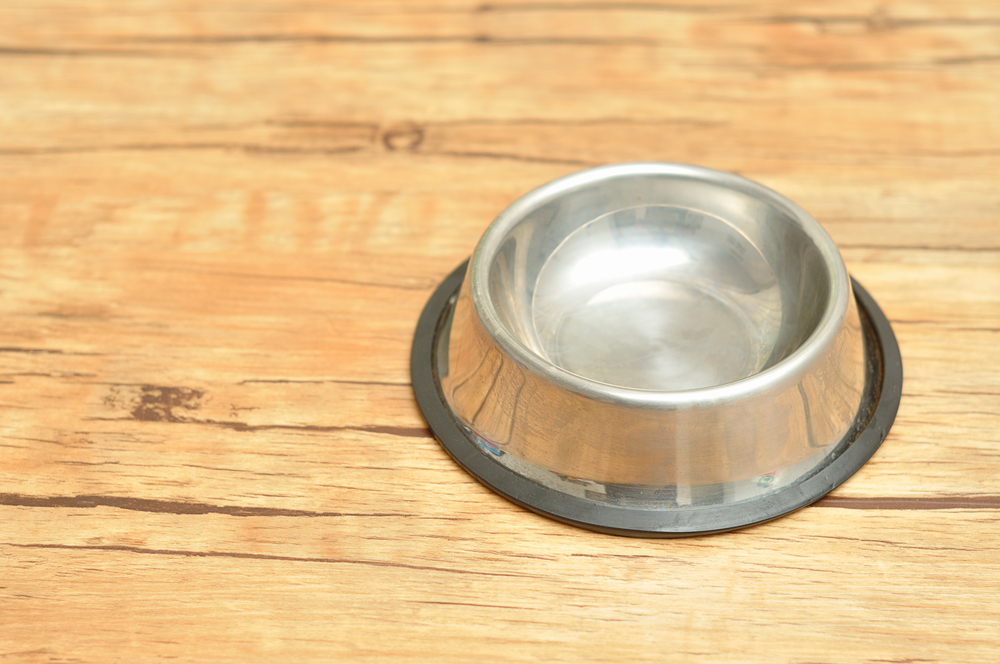
Sometimes all a dog needs is time for their gastrointestinal tract to heal and reset. Withholding food for 12 – 24 hours allows the system to flush out whatever nastiness caused the issue and reboot to a healthy state. It’s important to keep your Bernese Mountain Dog hydrated, even during a fast. However, do not let them drink too much at once, as this could cause vomiting or set off another bout of diarrhea.
2. Give Your Bernese Mountain Bland Diet for a Few Days
At the end of a fast, it’s best to slowly introduce a diet of bland, easily digestible food. Try boiled, unseasoned, skinless white meat chicken shredded over plain white rice. For dogs on grain-free diets, substitute mashed overripe banana or canned pumpkin. Feed a few spoonfuls every 2 – 3 hours and gradually increase the quantity over a 24-hour period.
Next, slowly reintroduce their normal food by serving a 75% bland/25% regular diet mix for a few meals, then a 50/50 mix, then 75% regular/25% bland, until your dog is eating dog food exclusively again.
3. Use a Multi-Strain Probiotic for Your Bernese Mountain Dog’s Diarrhea or Gas
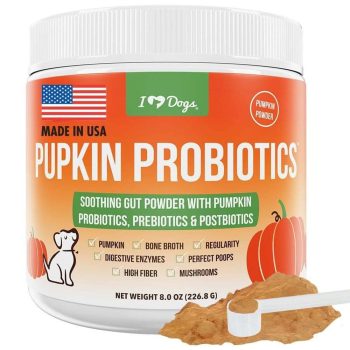
Diarrhea can disrupt the balance of bacteria in your Bernese Mountain Dog’s gut, including the beneficial bacteria that support healthy digestion. A canine probiotic supplement can help maintain a balanced digestive system and support overall gut health. Pupkin™ Probiotics, Prebiotics & Postbiotics for Dogs with Pumpkin, Gut-Soothing Bone Broth & Mushrooms combines probiotics, prebiotics, and postbiotics with pumpkin to support healthy digestion and normal stool quality. It also includes gut-soothing bone broth and functional mushrooms, making it an easy-to-use option that can be added to your Bernese Mountain Dog’s regular food for daily digestive support.
Using a probiotic is also helpful for reducing your Bernese Mountain Dog’s gas or transitioning them to a new food.
4. Give Your Bernese Mountain a Prebiotic Supplement or Pumpkin

Canned pumpkin puree (NOT pumpkin pie filler!), slippery elm, chia seeds, and plantains are all forms of prebiotics, which are reported to offer natural GI-healing benefits. Prebiotics are a non-digestible ingredient that promotes the growth of beneficial microorganisms in the intestines. In other words, prebiotics are basically the food that probiotics need to thrive.
Pureed pumpkin is packed with fiber, which helps to bulk up the stool. Slippery elm is said to coat and soothe mucous membranes, including the GI tract. Chia seeds are packed with fiber and absorb excess water, and plantains have antimicrobial properties. As always, consult your vet before making changes to your dog’s diet. Some high-quality supplements, like this dog prebiotic chew, already contain pumpkin in them.
5. Try Giving Your Bernese Mountain Digestive Enzymes to Improve Digestion
Oftentimes, the cause of your Bernese Mountain’s stomach issue may be related to incomplete digestion. Some Bernese Mountain Dogs have trouble digesting protein, fats, carbohydrates, or fiber. Digestive enzymes help your Bernese Mountain Dog break down and absorb each of these nutrients. Failure to absorb nutrients can result in bouts of runny poos, so these vital enzymes can help.
- Protease: Breaks down proteins into amino acids, improving digestion of meats in particular
- Amylase: Breaks down starches into carbohydrate molecules that your Bernese Mountain Dog can digest
- Lipase: Breaks down fats in your Bernese Mountain Dog’s gut
- Cellulase: Breaks down fiber from plants & grains.
Any good digestive enzyme supplement for dogs should include all 4 of these enzymes.
If you were to give your Bernese Mountain Dog one supplement, make it this one!
Providing an all-in-one probiotic, prebiotic, & digestive enzyme supplement is the easiest way to ensure that your pup is getting the microflora they need to encourage an optimally functioning GI tract.
Learn About the Pupkin™ Probiotics, Prebiotics & Postbiotics for Dogs with Pumpkin, Gut-Soothing Bone Broth & Mushrooms by iHeartDogs
Additional FAQs About Your Bernese Mountain Dog’s Gastroenteritis, Gas, Diarrhea, Bloating, or Vomiting
1. Should I Use a Probiotic When Transitioning My Bernese Mountain Dog to a New Food?
Probiotics are also very useful in preventing diarrhea when transitioning your Bernese Mountain Dog to a new food. First, give your Bernese Mountain a probiotic for a week or so before introducing the new food. Then slowly increase the amount of new food while continuing to feed some of the old. During this time, continue giving the probiotic until the transition to 100% of the new food is complete.
2. My Bernese Mountain Dog Recently Was Given an Antibiotic. Should I also Give a Probiotic?
Yes! Antibiotics destroy both good and bad bacteria in your Bernese Mountain Dog’s body. Giving a probiotic while taking an antibiotic will help replenish the good strains of bacteria your dog needs in their gut.
3. Can a Probiotic Reduce My Bernese Mountain Dog’s Gas?
Can your Bernese Mountain Dog’s gas clear a room? Even something as trivial as your Bernese Mountain Dog’s smelly farts can be helped by a good-quality probiotic. It’s an easy way to improve the air quality in your home!
4. What Causes Diarrhea & Vomiting in My Bernese Mountain Dog?
There are many possible causes of your Bernese Mountain Dog’s tummy troubles:
- Certain viruses can cause stomach upset, such as parvovirus in puppies
- Eating a food not appropriate for dogs, especially fatty foods
- A food allergy or intolerance
- Swallowing a foreign non-food object
- Sudden changes in food. Most dogs need to be transitioned slowly to a new food brand while taking a probiotic
- Side effect of a medication, especially a new one. Antibiotics are notorious for causing diarrhea in dogs.
- Intestinal parasites
- Poisons or toxins
- Pancreatitis
- Chronic disease such as IBD (inflammatory bowel disease)
- Stress due to boarding at a kennel, visiting a vet, or rehoming. Dogs in shelters are particularly prone to bouts of diarrhea.
Always note the color and consistency of your Bernese Mountain Dog’s poop or vomit. As unpleasant as it might be, take a picture of it that you can show your veterinarian.
Helping Your Bernese Mountain Dog Get Back to a Happier Tummy
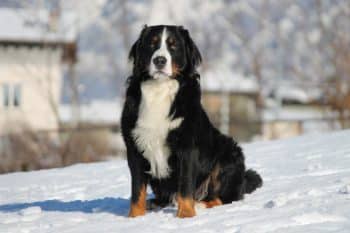
Digestive troubles can be uncomfortable for your Bernese Mountain Dog and worrying for you, but simple changes and the right digestive support may help with occasional tummy issues. Whether you try a bland diet, probiotics, pumpkin, or other gut health supplements, pay attention to how your Bernese Mountain Dog responds and introduce changes carefully. If diarrhea or vomiting is persistent, severe, or accompanied by other concerning symptoms, contact your veterinarian to make sure your pup gets the care they need.
These statements have not been evaluated by the Food and Drug Administration. No product is intended to diagnose, treat, cure, or prevent any disease. The information on this website is not intended to replace a one-on-one relationship with a qualified healthcare professional.
-
- Best Joint Supplement for Dogs
- Best CBD Gummies for Dogs
- Goat's Milk for Dogs
- Skin & Coat Supplements for Dogs
- Weight Gain Supplements for Dogs
- Muscle Building Supplements for Dogs
- Heart Supplements for Dogs
- Multivitamins for Dogs
- Pill Pockets for Dogs
- Digestive Enzymes for Dogs
- Turmeric for Dogs
- Liver Supplements for Dogs
- Tear Stain Supplement for Dogs
- Breath Fresheners for Dogs
- Kidney, Urinary, & Bladder Supplements for Dogs
- Stool Eating Deterrent for Dogs
- Eye Supplements for Dogs
- Melatonin for Dogs
- Apple Cider Vinegar for Dogs
- Green Lipped Mussels for Dogs
- L Theanine for Dogs
- Chondroitin Supplements for Dogs
- MSM for Dogs
- Valerian Root for Dogs
- Chamomile for Dogs
- Boswellia for Dogs
- L Tryptophan for Dogs
- Yucca for Dogs
- Licorice Root for Dogs
- Bromelain for Dogs
- Papain for Dogs
- Devil's Claw for Dogs
- Quercetin for Dogs
- Hemp gummy for dogs
- Best Hemp Dog Treats
- Best Hemp Oil for Dogs
- Best Calming Treats, Chews, & Supplements for Dogs
- Best Bone Broth for Dogs
- Best Fish Oil for Dogs
- Best Probiotics for Dogs
- Best Hip Dysplasia Supplements for Dogs
- Best Colostrum for Dogs
- Best Quercetin for Dogs
- Best Greens for Dogs Supplements
- Best Vitamin C Supplements for Dogs
- Best Probiotic for Dog with Allergies
- Best Taurine Supplements for Dogs
- Best Dog Food Toppers
- Best Anal Gland Supplement for Dogs
- Best Dog Probiotic Powder
- Best CoQ10 Supplement for Dogs
- Best Liquid Glucosamine for Dogs
- Best Wrinkle Creams, Balms, and Wipes for Dogs
- Best Puppy Calming Treats
- Best Colloidal Silver for Dogs
- Best Adaptogen Supplements for Dogs
- Best Cognitive Supplements for Dogs
- Best Bee Pollen for Dogs
- Best Vitamin A Supplements for Dogs
- Best Vitamin E Supplements for
- Best Liquid Glucosamine Supplements for Dogs
- Best SAM-e Supplements for Dogs
- Best Hyaluronic Acid Supplements for Dogs
- Best Apple Cider Vinegar Supplements for Dogs
- Best Diarrhea Medicine for Dogs
- Best Milk Thistle for Dogs
- Best Turkey Tail Mushroom Supplements for Dogs
- Best Astaxanthin Supplements for Dogs
- Best Lutein Supplements for Dogs
- Best Electrolyte Supplements for Dogs
- Best Coconut Oil for Dogs
- Best Prenatal Vitamins for Dogs
- Best Puppy Milk Replacements
- Best Iron Supplements for Dogs
- Best Dewormer Products for Dogs
- Best Mange Medications for Dogs
- Best Cough Relief Products for Dogs
- Best Sinus Relief Products for Dogs
- Best Collapsed Trachea Supplements for Dogs
- Best Fireworks Anxiety Relief Products for Dogs
- Best Thunderstorm Anxiety Relief Products for Dogs
- Best Travel Anxiety Relief Product for Dogs
- Best Supplements for a Dog with a Torn ACL
- Best Supplements for a Dog with Patellar Luxation
- Best Supplements for a Dog with Intervertebral Disc Disease
- Best Zinc Supplements for Dogs
- Best Biotin Supplements for Dogs
- Best Tart Cherry Supplements for Dogs
- Best Resveratrol Supplements for Dogs
- Best Ginkgo Biloba Supplements for Dogs
- Best Ashwagandha Supplements for Dogs
- Best Supplements for Dogs with Cushing's Disease
- Best Adrenal Supplements for Dogs
- Best NAD+ Supplements for Dogs
- Best NMN Supplements for Dogs
- Best Supplements for Dogs with Dementia
- Best Supplements for Dogs with CCD(Canine Cognitive Dysfunction)
- Best Fiber Supplements for Dogs
- Best Spirulina for Dogs
- Best Hairball Remedies for Dogs
- Best Eye Drops for Dogs with Allergies
- Best Magnesium Supplements for Dogs
- Best Brushes for Double-Coated Dogs
- Best Dandelion Root Supplements for Dogs
- Best Probiotic for Dogs with Yeast Infections
- Best Flaxseed Oil for Dogs
- Best Chamomile Supplements for Dogs
- Best Lavender Supplements. Treats & Sprays for Dogs
- Best Collagen Supplements for Dogs
- Best Kelp Supplements for Dogs
- Best Activated Charcoal for Dogs
- Best Slippery Elm Supplements for Dogs
- Best Supplements for Dogs with Seizures & Epilepsy
- Best Antioxidant Supplements for Dogs
- Best Ubiquinol Supplements for Dogs
- Best Hormone & Glandular Supplements for Dogs
- Best Thyroid Supplements for Dogs
- Best Iodine Supplements for Dogs
- Best Dog Shedding Supplements for Dogs
- Best Detox Supplements for Dogs
- Best Postbiotics for Dogs
- Best Aspirin Products for Dogs
- Best Dog Anti-Nausea Products
- Best Dog Mouthwashes
- Best Camelina Oils for Dogs
- Best Hemp Seed Oils for Dogs
- Best Natural Anti-Inflammatories for Dogs
- Best Cancer Supplements for Dogs
- Best Sardine & Anchovy Oils for Dogs
- Best Fatty Acid Supplements for Dogs
- Best Chia Seed Supplements & Treats for Dogs
- Best Olive Oils for Dogs
- Best Amino Acid Supplements for Dogs
- Best Moringa Supplements for Dogs
- Best Echinacea Supplements for Dogs
- Best Cranberry Supplements for Dogs
- Best D-Mannose Supplements for Dogs
- Best Nettle Leaf Supplements for Dogs
- Best Marshmallow Root Supplements for Dogs
- Best Astragalus Supplements for Dogs
- Best Pumpkin Seed Supplement for Dogs
- Best Supplements for a Dog Wetting The Bed
- Best Blueberry Supplement for Dogs
- Best Bromelain Supplements for Dogs
- Best Yucca Supplements for Dogs
- Best Ginger Supplements for Dogs
- Best Rosehip Supplements for Dogs
- Best Allergy Medicines for Dogs
- Best Reishi Mushroom Supplement for Dogs
- Best Maitake Mushroom Supplement for Dogs
- Best Chaga Mushroom Supplement for Dogs
- Best Shiitake Mushroom Supplement for Dogs
- Best Cordyceps Mushroom Supplement for Dogs
- Best Lion's Maine Supplement for Dogs
- Peptides for Dogs
- BPC-157 for Dogs
 Toledo, United States.