
iHeartDogs is reader-supported. When you buy via links on our site, we may earn an affiliate commission at no extra cost to you.
Magnesium is a vital mineral that plays an essential role in over 300 enzymatic reactions within the body, including the metabolism of food, the synthesis of fatty acids and proteins, and the transmission of nerve impulses. Despite its importance, magnesium deficiency can occur in dogs, leading to a variety of health issues. This article aims to guide you through the best magnesium supplements available in the market that can help ensure your furry friend gets their required magnesium intake and maintains optimal health.

Vet-Recommended Magnesium Supplements for Dogs
#1 – ThorneVet B ComplexVET
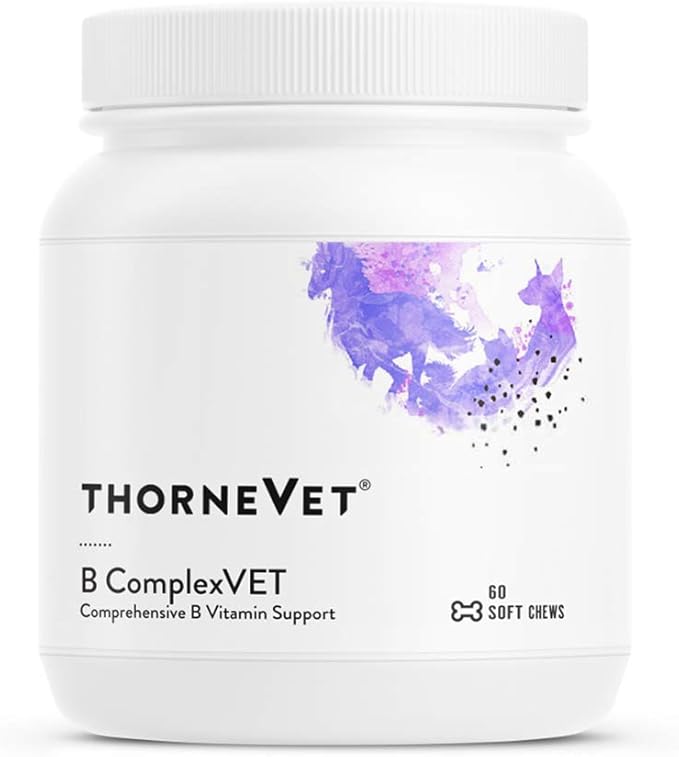
ThorneVet B ComplexVET is a supplement designed to provide comprehensive Vitamin B Complex support for dogs, cats, and horses. The formula includes essential B vitamins such as B1, B2, B3, B5, B6, B12, Folate, Biotin, and Choline, which aid in absorption and digestion. This product aims to promote overall health and reduce the negative effects of stress in companion animals, while also supporting energy production, red blood cell formation, and neurological function.

#2 – Dog Scent Training Kit

The Nosey Nose is a nosework scent work training toy for dogs that engages their brain and keeps them focused. The toy provides interactive games and puzzles to stimulate your dog mentally and build their confidence. It uses the scent of anise, which excites dogs and is easy for them to detect, providing a unique and fun experience. This toy is designed to give your dog a purpose and direction, especially for visually or mobility-impaired dogs or those with activity limitations. The Nosey Nose aims to make nosework a staple activity for all dog lovers, providing a focused and distraction-free experience for your dog.
#3 – Nutrition Strength Minerals for Dogs

The Nutrition Strength Minerals for Dogs is a supplement that aims to support the cells, nerves, bones, and muscles of dogs. It contains a blend of minerals such as calcium, phosphorus, magnesium, iron, zinc, selenium, and potassium that are essential for various bodily functions. The tablets are made in the USA and meet strict manufacturing guidelines to ensure the safety and quality of the product.
#4 – Rx Vitamins Canine Minerals
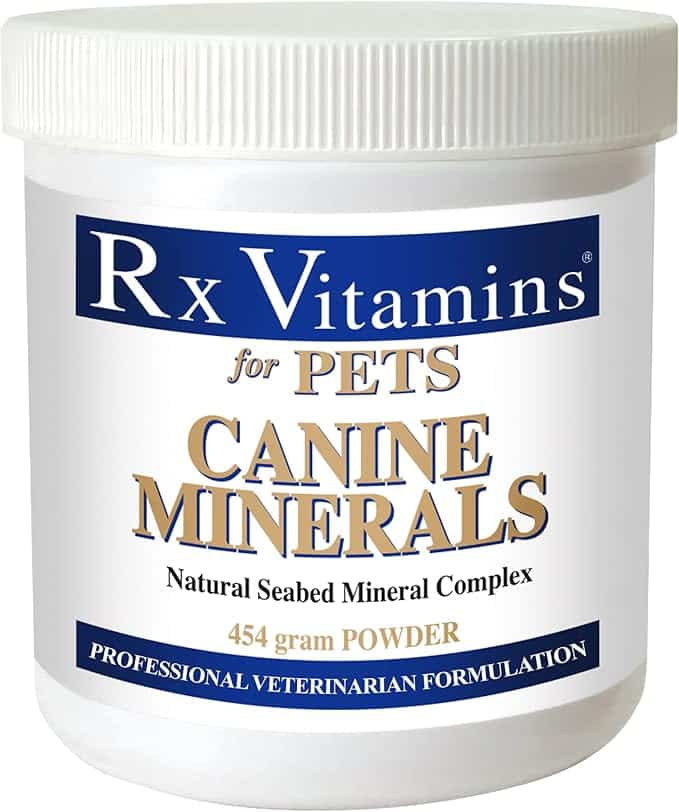
The Rx Vitamins Canine Minerals is a mineral supplement powder designed for dogs. Each scoop contains 500 milligrams of calcium carbonate and provides several trace minerals to support the overall health of dogs. The product is formulated with a natural seabed mineral complex, making it a potentially beneficial addition to a dog’s diet.

#5 – Animal Essentials Seaweed Calcium Supplement for Dogs & Cats
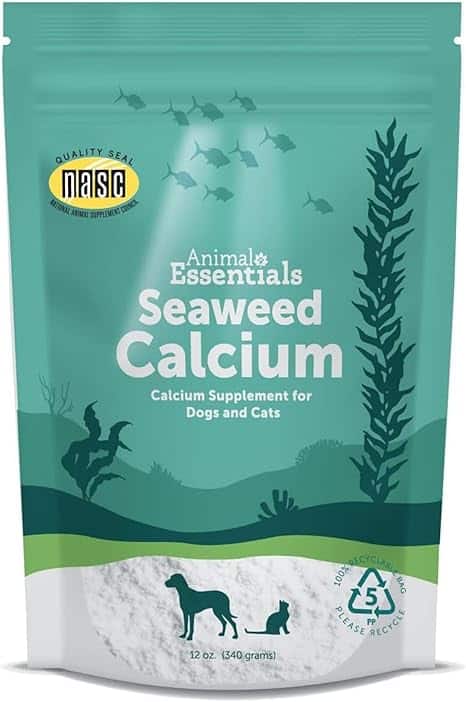
The Animal Essentials Seaweed Calcium Supplement is a 12-oz product designed for both dogs and cats. It contains magnesium, boron, and zinc from Icelandic seaweed and is certified clean and free of lead, hormones, and other contaminants. The supplement is highly digestible, allowing for smaller feeding amounts and lower costs. It is virtually odorless and flavorless, making it easy to feed to pets. Additionally, the product is environmentally sustainable, and each batch is tested for pathogens and chemical contaminants, ensuring its safety. The zip pouch is also 100 percent recyclable.
What Are The Benefits of Magnesium for Dogs?
Magnesium plays a crucial role in a variety of metabolic functions that maintain a dog’s overall health. Here are some of its key benefits:
- Nerve and Muscle Function: Magnesium aids in the regulation of nerve impulse transmission and muscle contraction, contributing to a dog’s movement and coordination.
- Bone Health: It is essential for the formation and strength of bones and teeth. Magnesium facilitates the body’s absorption and utilization of essential minerals like calcium and phosphorus.
- Metabolism and Energy Production: As a co-factor in hundreds of enzymatic reactions in the body, magnesium is vital for the metabolism of nutrients and the production of energy.
- Heart Health: Magnesium helps maintain a steady heart rhythm and is often used as a supplement for dogs with specific heart conditions.
- Stress and Anxiety: Some studies suggest magnesium may have a calming effect and can help reduce stress and anxiety in dogs.
It’s important to note that while magnesium is essential, it should be given in the right quantities, as both deficiency and excess can lead to health problems. Always consult a veterinarian before adding any supplements to your dog’s diet.
Frequently Asked Questions About Dog Magnesium Supplements
1. Why might my dog need a magnesium supplement?
Dogs may need a magnesium supplement if they have a magnesium deficiency, which can result from inadequate dietary intake, gastrointestinal disorders that affect absorption, or certain medical conditions. Symptoms of deficiency can include loss of appetite, nausea, vomiting, and weakness. Always consult your vet before starting any supplement regimen.
2. What are the signs of magnesium deficiency in dogs?
Signs can include decreased appetite, nausea, vomiting, lethargy, muscle weakness, and, in severe cases, seizures. If you notice these symptoms, contact your veterinarian for diagnosis and a treatment plan.
3. Can too much magnesium harm my dog?
Yes. Excessive magnesium can lead to hypermagnesemia, which may cause muscle weakness, heart issues, and, in severe cases, life-threatening complications. Follow your veterinarian’s dosage recommendations.
4. How can I give my dog magnesium supplements?
Magnesium supplements come as tablets, capsules, and powders. You can mix them into food or give them directly, depending on your dog’s preference. Always follow package instructions and your vet’s guidance.
5. What foods are high in magnesium that I can feed my dog?
Magnesium-rich foods include certain green leafy vegetables, nuts and seeds, legumes, and whole grains. Ensure each food is safe for dogs and prepared appropriately to avoid choking or digestive issues.
6. Are there any side effects to giving my dog magnesium supplements?
Side effects are uncommon but can occur with excess intake. Possible effects include diarrhea, reduced appetite, lethargy, and, in severe cases, heart irregularities. If adverse effects appear, contact your vet immediately.
7. How long does it take for magnesium supplements to work in dogs?
Timing varies by the dog’s health status and deficiency severity. Some improvements may be seen within a few days to a few weeks when used as directed.
8. Can all dogs take magnesium supplements?
Not necessarily. While magnesium is essential, some dogs—especially those with kidney issues—may need to avoid supplements. Always consult your veterinarian before starting any new supplement.
9. Can I use human magnesium supplements for my dog?
It’s best not to. Human products may have unsuitable doses or ingredients for dogs. Use pet-formulated supplements and follow your vet’s dosage guidance.
10. Is magnesium included in my dog’s commercial diet?
Most commercial dog foods contain adequate magnesium. However, dogs with specific health issues or dietary needs may require supplementation. Check your dog’s food label and ask your veterinarian if supplementation is appropriate.
11. What types of magnesium are best for dogs?
Common forms include magnesium citrate, magnesium oxide, and magnesium glycinate. Citrate is often more bioavailable; oxide provides more elemental magnesium but is less absorbable; glycinate is gentle on the stomach and may suit sensitive dogs. Ask your veterinarian which form fits your dog’s needs.

Magnesium Supplements That Promote Balance and Vitality
Choosing the best magnesium supplement for your dog is an important step in supporting their overall health. A good supplement can support nerve function, maintain heart health, improve bone strength, and even help with stress and anxiety. Remember, every dog is unique, and their needs can vary based on age, diet, and overall health. Therefore, always consult with your veterinarian before starting any new supplement regimen. Through proper diet and supplementation, you can ensure your dog has the adequate magnesium intake they need to live a happy, healthy life.
iHeartDogs is reader-supported. When you buy via links on our site, we may earn an affiliate commission at no extra cost to you.
 Toledo, United States.