
iHeartDogs is reader-supported. When you buy via links on our site, we may earn an affiliate commission at no extra cost to you.
Choosing the best joint supplement for a Husky is an important part of supporting your dog’s mobility, comfort, and overall health. Known for their athletic build, endurance, and high energy levels, Huskies rely on strong, healthy joints to stay active and enjoy daily exercise. A high-quality dog joint supplement can help support cartilage health, flexibility, and long-term joint function throughout every stage of life. Here are six important things every Husky owner should know before selecting a joint supplement.

#1: For Maximum Efficacy, Choose a Supplement for Your Huskie with Multiple Active Ingredients
When most people think of a joint supplement for their Husky, glucosamine comes to mind. And while glucosamine is the most popular active ingredient, other powerful nutraceuticals include MSM, chondroitin, and turmeric (curcumin). If your supplement contains only one or two of these, you may be missing potential benefits. Different dogs respond to different treatments, so when in doubt, offer a broad spectrum of nutrients.
#2: Always Check The Amount of Active Ingredients
If the quantity of active ingredients (in milligrams) is not made available, the product likely contains low levels that are unlikely to have a therapeutic effect on your Husky joints. As a rule of thumb, your dog should receive 20 mg of glucosamine daily for each pound they weigh. Budget oriented joint supplements (often in the $15-20 a bottle range) often contain levels too low to make any serious impact on your dog’s joint health. In addition, dry dog food manufacturers have begun including trivial amounts of glucosamine in their products in an attempt to woo consumers. Make sure your dog receives enough to matter!
#3: Always Buy Made In USA
While you’d expect that most pet stores would have transitioned to only carrying consumable products that are made in the USA, this is simply not the case. Many budget oriented pet stores, online retailers, and grocery stores still carry inferior supplements made in factories outside the USA with far lower production standards.
#4: Decide If You Want An Arthritis Supplement with or Without Hemp for Your Husky
The last few years have brought about exciting advancements in the use of Hemp for dogs. Several clinical trials have shown Hemp can improve the mobility of arthritic dogs. Some brands have begun to offer their Hip & Joint supplements with Hemp or without Hemp.
#5: Results Will Vary Based on Your Huskie’s Age and Condition
Ideally, a joint supplement regimen should begin before signs of pain are present in your Husky. (ideally around 5 years of age, although large breeds may need earlier) In reality, however, we often don’t consider the need until signs of pain are apparent. If your dog is already showing signs of distress, a joint supplement can still offer substantial relief. However, it may take 1-2 months to show signs of improvement.
#6: Taste and Format Matters
The best joint supplement in the world is worthless if your dog refuses to eat it. The most popular formats of delivery for joint supplements are liquid, tablet chews, and soft chews, each with their own benefits and drawbacks. When it comes to palatability, soft chews and liquids tend to please the most canine palates. Because a soft chew can contain a wider variety of nutraceuticals (see item #1) it’s our preferred method.
Where Our Research Led Us (Our Preferred Joint & Joint Supplement for Huskies)
Our research in hip & joint supplements for dogs led us to develop & recommend the Happy, Healthy line of canine joint care supplements. An added bonus of this brand is that each purchase goes towards helping provide food for animal shelters in need.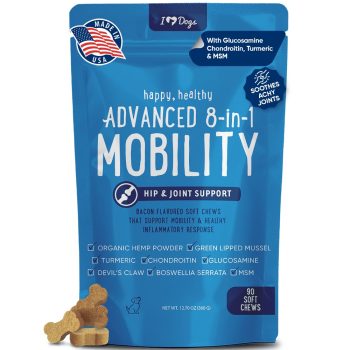
Helping Your Husky Maintain Mobility and Vitality
The right joint supplement can make a meaningful difference in supporting your Husky’s comfort, movement, and overall well-being. By choosing a supplement with quality ingredients, proven joint support benefits, and a formula suited to your dog’s unique needs, you can help promote healthy joints and everyday activity. Combined with proper nutrition, regular exercise, weight management, and routine veterinary care, effective joint support can help your Husky stay active, healthy, and ready for every adventure.
Thank you for reading this guide. Remember to always consult your veterinarian when making changes to your dog’s diet and routine. These statements have not been evaluated by the Food and Drug Administration. No product is intended to diagnose, treat, cure, or prevent any disease. The information on this website is not intended to replace a one-on-one relationship with a qualified health care professional.
-
- Best Joint Supplement for Dogs
- Best CBD Gummies for Dogs
- Goat's Milk for Dogs
- Skin & Coat Supplements for Dogs
- Weight Gain Supplements for Dogs
- Muscle Building Supplements for Dogs
- Heart Supplements for Dogs
- Multivitamins for Dogs
- Pill Pockets for Dogs
- Digestive Enzymes for Dogs
- Turmeric for Dogs
- Liver Supplements for Dogs
- Tear Stain Supplement for Dogs
- Breath Fresheners for Dogs
- Kidney, Urinary, & Bladder Supplements for Dogs
- Stool Eating Deterrent for Dogs
- Eye Supplements for Dogs
- Melatonin for Dogs
- Apple Cider Vinegar for Dogs
- Green Lipped Mussels for Dogs
- L Theanine for Dogs
- Chondroitin Supplements for Dogs
- MSM for Dogs
- Valerian Root for Dogs
- Chamomile for Dogs
- Boswellia for Dogs
- L Tryptophan for Dogs
- Yucca for Dogs
- Licorice Root for Dogs
- Bromelain for Dogs
- Papain for Dogs
- Devil's Claw for Dogs
- Quercetin for Dogs
- Hemp gummy for dogs
- Best Hemp Dog Treats
- Best Hemp Oil for Dogs
- Best Calming Treats, Chews, & Supplements for Dogs
- Best Bone Broth for Dogs
- Best Fish Oil for Dogs
- Best Probiotics for Dogs
- Best Hip Dysplasia Supplements for Dogs
- Best Colostrum for Dogs
- Best Quercetin for Dogs
- Best Greens for Dogs Supplements
- Best Vitamin C Supplements for Dogs
- Best Probiotic for Dog with Allergies
- Best Taurine Supplements for Dogs
- Best Dog Food Toppers
- Best Anal Gland Supplement for Dogs
- Best Dog Probiotic Powder
- Best CoQ10 Supplement for Dogs
- Best Liquid Glucosamine for Dogs
- Best Wrinkle Creams, Balms, and Wipes for Dogs
- Best Puppy Calming Treats
- Best Colloidal Silver for Dogs
- Best Adaptogen Supplements for Dogs
- Best Cognitive Supplements for Dogs
- Best Bee Pollen for Dogs
- Best Vitamin A Supplements for Dogs
- Best Vitamin E Supplements for
- Best Liquid Glucosamine Supplements for Dogs
- Best SAM-e Supplements for Dogs
- Best Hyaluronic Acid Supplements for Dogs
- Best Apple Cider Vinegar Supplements for Dogs
- Best Diarrhea Medicine for Dogs
- Best Milk Thistle for Dogs
- Best Turkey Tail Mushroom Supplements for Dogs
- Best Astaxanthin Supplements for Dogs
- Best Lutein Supplements for Dogs
- Best Electrolyte Supplements for Dogs
- Best Coconut Oil for Dogs
- Best Prenatal Vitamins for Dogs
- Best Puppy Milk Replacements
- Best Iron Supplements for Dogs
- Best Dewormer Products for Dogs
- Best Mange Medications for Dogs
- Best Cough Relief Products for Dogs
- Best Sinus Relief Products for Dogs
- Best Collapsed Trachea Supplements for Dogs
- Best Fireworks Anxiety Relief Products for Dogs
- Best Thunderstorm Anxiety Relief Products for Dogs
- Best Travel Anxiety Relief Product for Dogs
- Best Supplements for a Dog with a Torn ACL
- Best Supplements for a Dog with Patellar Luxation
- Best Supplements for a Dog with Intervertebral Disc Disease
- Best Zinc Supplements for Dogs
- Best Biotin Supplements for Dogs
- Best Tart Cherry Supplements for Dogs
- Best Resveratrol Supplements for Dogs
- Best Ginkgo Biloba Supplements for Dogs
- Best Ashwagandha Supplements for Dogs
- Best Supplements for Dogs with Cushing's Disease
- Best Adrenal Supplements for Dogs
- Best NAD+ Supplements for Dogs
- Best NMN Supplements for Dogs
- Best Supplements for Dogs with Dementia
- Best Supplements for Dogs with CCD(Canine Cognitive Dysfunction)
- Best Fiber Supplements for Dogs
- Best Spirulina for Dogs
- Best Hairball Remedies for Dogs
- Best Eye Drops for Dogs with Allergies
- Best Magnesium Supplements for Dogs
- Best Brushes for Double-Coated Dogs
- Best Dandelion Root Supplements for Dogs
- Best Probiotic for Dogs with Yeast Infections
- Best Flaxseed Oil for Dogs
- Best Chamomile Supplements for Dogs
- Best Lavender Supplements. Treats & Sprays for Dogs
- Best Collagen Supplements for Dogs
- Best Kelp Supplements for Dogs
- Best Activated Charcoal for Dogs
- Best Slippery Elm Supplements for Dogs
- Best Supplements for Dogs with Seizures & Epilepsy
- Best Antioxidant Supplements for Dogs
- Best Ubiquinol Supplements for Dogs
- Best Hormone & Glandular Supplements for Dogs
- Best Thyroid Supplements for Dogs
- Best Iodine Supplements for Dogs
- Best Dog Shedding Supplements for Dogs
- Best Detox Supplements for Dogs
- Best Postbiotics for Dogs
- Best Aspirin Products for Dogs
- Best Dog Anti-Nausea Products
- Best Dog Mouthwashes
- Best Camelina Oils for Dogs
- Best Hemp Seed Oils for Dogs
- Best Natural Anti-Inflammatories for Dogs
- Best Cancer Supplements for Dogs
- Best Sardine & Anchovy Oils for Dogs
- Best Fatty Acid Supplements for Dogs
- Best Chia Seed Supplements & Treats for Dogs
- Best Olive Oils for Dogs
- Best Amino Acid Supplements for Dogs
- Best Moringa Supplements for Dogs
- Best Echinacea Supplements for Dogs
- Best Cranberry Supplements for Dogs
- Best D-Mannose Supplements for Dogs
- Best Nettle Leaf Supplements for Dogs
- Best Marshmallow Root Supplements for Dogs
- Best Astragalus Supplements for Dogs
- Best Pumpkin Seed Supplement for Dogs
- Best Supplements for a Dog Wetting The Bed
- Best Blueberry Supplement for Dogs
- Best Bromelain Supplements for Dogs
- Best Yucca Supplements for Dogs
- Best Ginger Supplements for Dogs
- Best Rosehip Supplements for Dogs
- Best Allergy Medicines for Dogs
- Best Reishi Mushroom Supplement for Dogs
- Best Maitake Mushroom Supplement for Dogs
- Best Chaga Mushroom Supplement for Dogs
- Best Shiitake Mushroom Supplement for Dogs
- Best Cordyceps Mushroom Supplement for Dogs
- Best Lion's Maine Supplement for Dogs
- Peptides for Dogs
- BPC-157 for Dogs
 Toledo, United States.