
iHeartDogs is reader-supported. When you buy via links on our site, we may earn an affiliate commission at no extra cost to you.

How To Conquer Your Lab’s Separation Anxiety, Sound Anxiety or Travel Anxiety
If your Lab is experiencing anxiety, life can be miserable both for you and your pup. I myself spent 2 years battling extreme separation anxiety with my dog, and we successfully came out on the other side. In this article I’ll share some of the resources and strategies that worked for us.
There are many forms of anxiety that your Lab may be suffering from. Typical causes of anxiety in lab’s might be:
- Separation anxiety – Fear of being separated from their owner. This often manifests itself by your Lab pacing, drooling, biting, or being destructive while you’re away.
- Sound anxiety – Fear of loud noises like thunder, fireworks, or a vacuum cleaner
- Travel anxiety – Fear of traveling in a moving vehicle, or fear of intimidating places like your vet’s office or a boarding kennel
1. Experiment with Hemp Oil for Your Lab’s Anxiety
One of the tools I successfully used in treating my dog’s anxiety was hemp. While your results may vary, approximately 67% of the dog owners polled here claimed that hemp was ‘extremely effective’ or ‘somewhat effective’ in helping their dog’s anxiety.
In my experience, hemp helped my dog calm down enough to respond positively to the other training methods I was using to treat her anxiety. When choosing a hemp oil, always look for a certificate of analysis showing a pure and safe product. I’d also recommend a product with 0% THC.
If you’d rather not give an hemp oil tincture to your dog, there are also great full spectrum hemp treat options available for dogs on Amazon.



2. Desensitize Your Lab to The Cause of Their Anxiety
A key strategy for treating your Lab’s anxiety is desensitizing them to the trigger of their fear. For example, my dog’s anxiety was triggered anytime I walked out the door to leave the house. For other dogs, the trigger might be you grabbing your keys or putting on your coat.
Begin by doing the trigger activity, but then immediately reversing it. For example, I would grab my keys and walk out the door. Then I’d come back 5 seconds later. I did this literally hundreds of times over a period of a week. Eventually, my dog was desensitized and bored by the behavior.
Related: Best Calming Treat for Dogs
3. For Sound Anxiety, Trying Isolating Your Lab and Playing Loud Music
Many Lab’s that suffer from thunderstorm or fireworks anxiety experience relief in a smaller, more isolated room of the house where music can be played at a loud volume. A word of caution though, if your dog is also experiences separation anxiety leaving them alone in a room during may be counterproductive.

4. Try Using a Compression Wrap (Available in Many Sizes and Will Fit Your Lab)
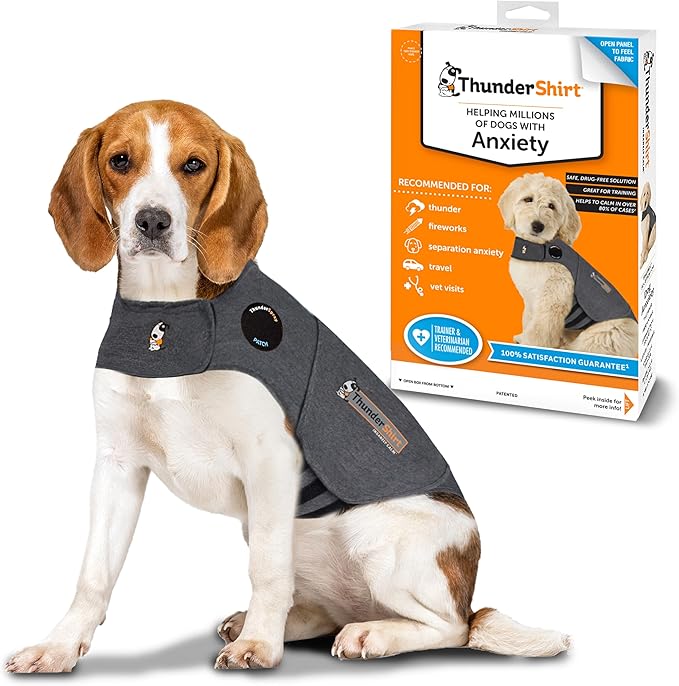
Many dogs are comforted by the feeling of compression across their body. One popular product many have found success with is the Thundershirt (available on Amazon and Chewy). The product applies gentle, calming pressure that is very reassuring to many pups. The company claims the product to be helpful for about 80% of the dogs who tried it. It can be used to help calm your Lab during fireworks, thunder, separation, travel, or vet visits, with no training and no medication required.

5. Try an Herbal Supplement for Your Lab with Calming Herbs Like Chamomile, Passion Flower, Ginger Root or Valerian Root
Many calming supplements exist for dogs that are palatable for dogs, easy-to-feed, and can help quickly relieve your Lab’s stress and give a sense of safety and calm. Some supplements contain calming herbs like chamomile, passion flower, ginger root, and valerian root are a great option.

6. Experiment with a Pheromone Diffuser for Your Lab
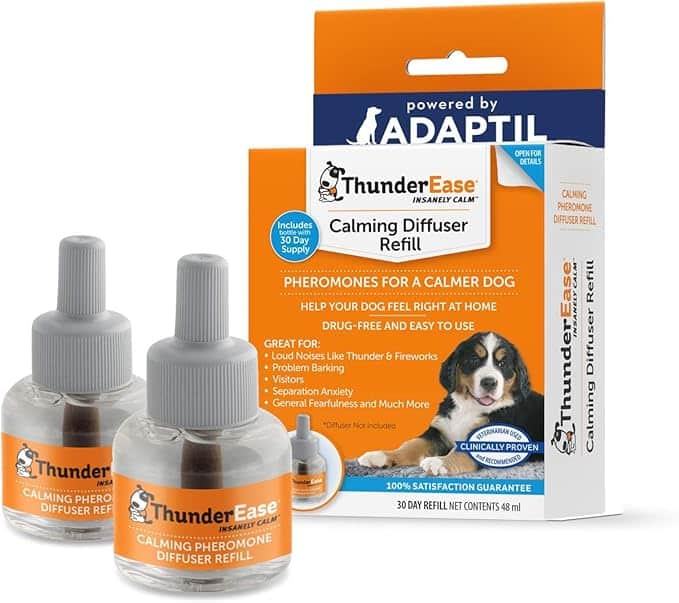
Canine pheromone diffusers mimic the calming pheromone that a mother dog emits while nursing her puppies. The diffuser can help many dogs feel calmer and more comfortable in stressful situations. The same company that makes the Thundershirt above also makes a product called ThunderEase diffuser, which is also available on Amazon and Chewy.
7. Try an Anti-Anxiety Supplement Containing L-Tryptophan, L-Theanine or Melatonin
Other popular ingredients in anti-anxiety supplements include the amino acids L-Tryptophan and L-Theanine, both of which offer calming properties and increase the release of “feel good” serotonin in your dog’s body. In addition, some calming products for dogs contain a small amount of melatonin, which can help regulate and improve their sleep.

8. Experiment with Using Your Own Scent & Sound to Calm Your Lab
In my experience, using your own scent and sound to help calm your dog is a powerful strategy in beating anxiety. I stumbled upon this one day with my own dog by accident.
Typically, if I left the home my dog would instantly enter a panic. But one day I needed to take a long phone call, and left my dog outside my bedroom door where I took the call. During the call, she calmly lied next to the door, where she could obviously smell and hear me. It occurred to me that I could possibly mimic this tactic while I wasn’t at home.
I recorded my voice on a CD player and then put it on loop. Then I placed a used t-shirt on the inside of the door where she could easily smell it underneath. To my surprise, I was able to leave the house for a short time. (I monitored her on a video camera). I slowly increased the length of time I left, and always found her calm and sincerely believing that I was just behind the door!
If you’d like to read the full story of how I cured my dog’s extreme separation anxiety, go here.
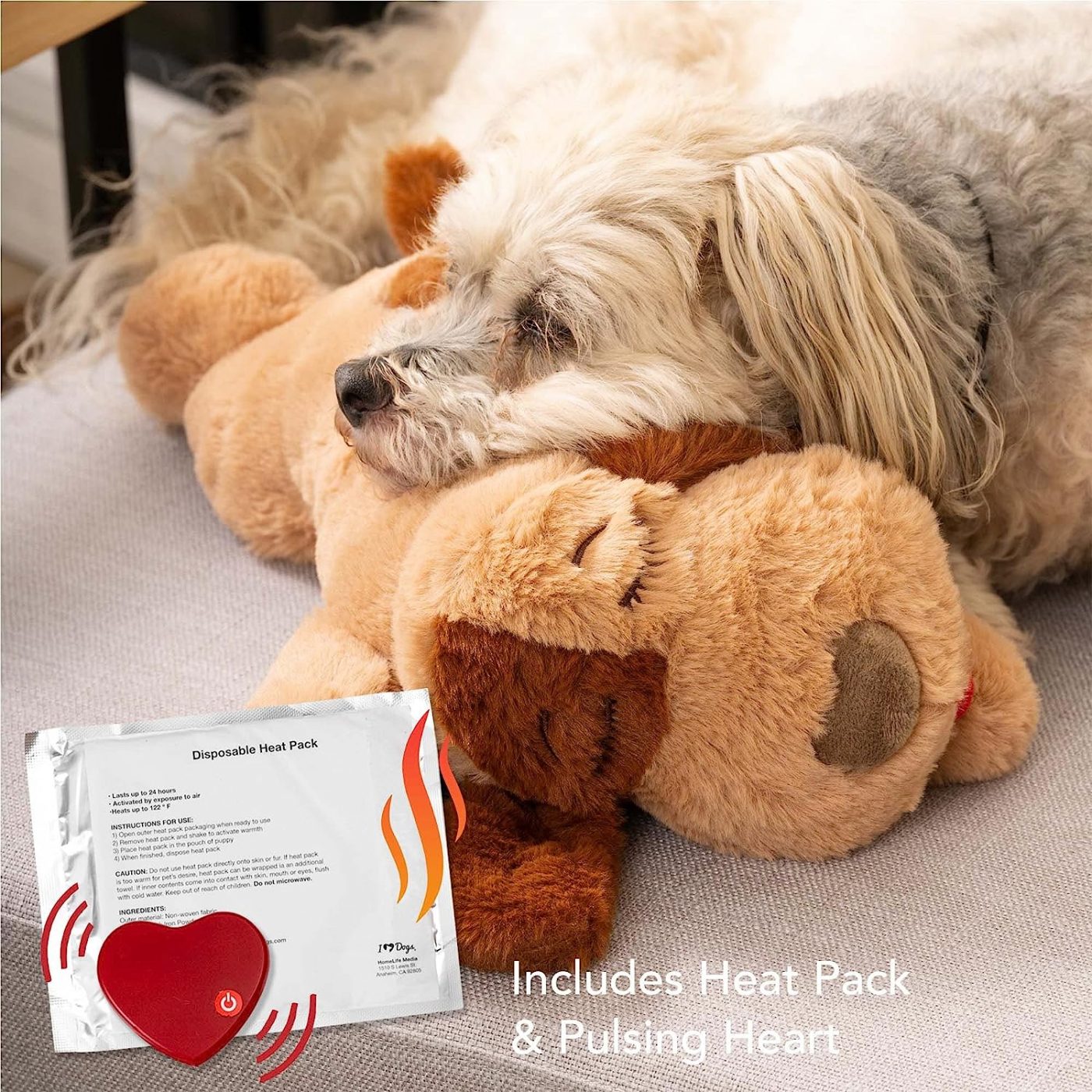
Another popular calming product is the heartbeat puppy toy. Traditionally, these have been used to help calm puppies who have recently left their litter. The plush toys come with a warming features as well as a simulated heartbeat. While originally intended for puppies, many dog owners have found they can effectively calm dogs of all ages. This popular model is available on Amazon.
Defeating your Lab’s anxiety is absolutely possible—though every dog’s path to calm will be unique. The tools and strategies above can help you get started, but sometimes our pups need an extra layer of support. That’s why at iHeartDogs, we trust gentle, vet-formulated supplements designed to ease stress without harsh medications.
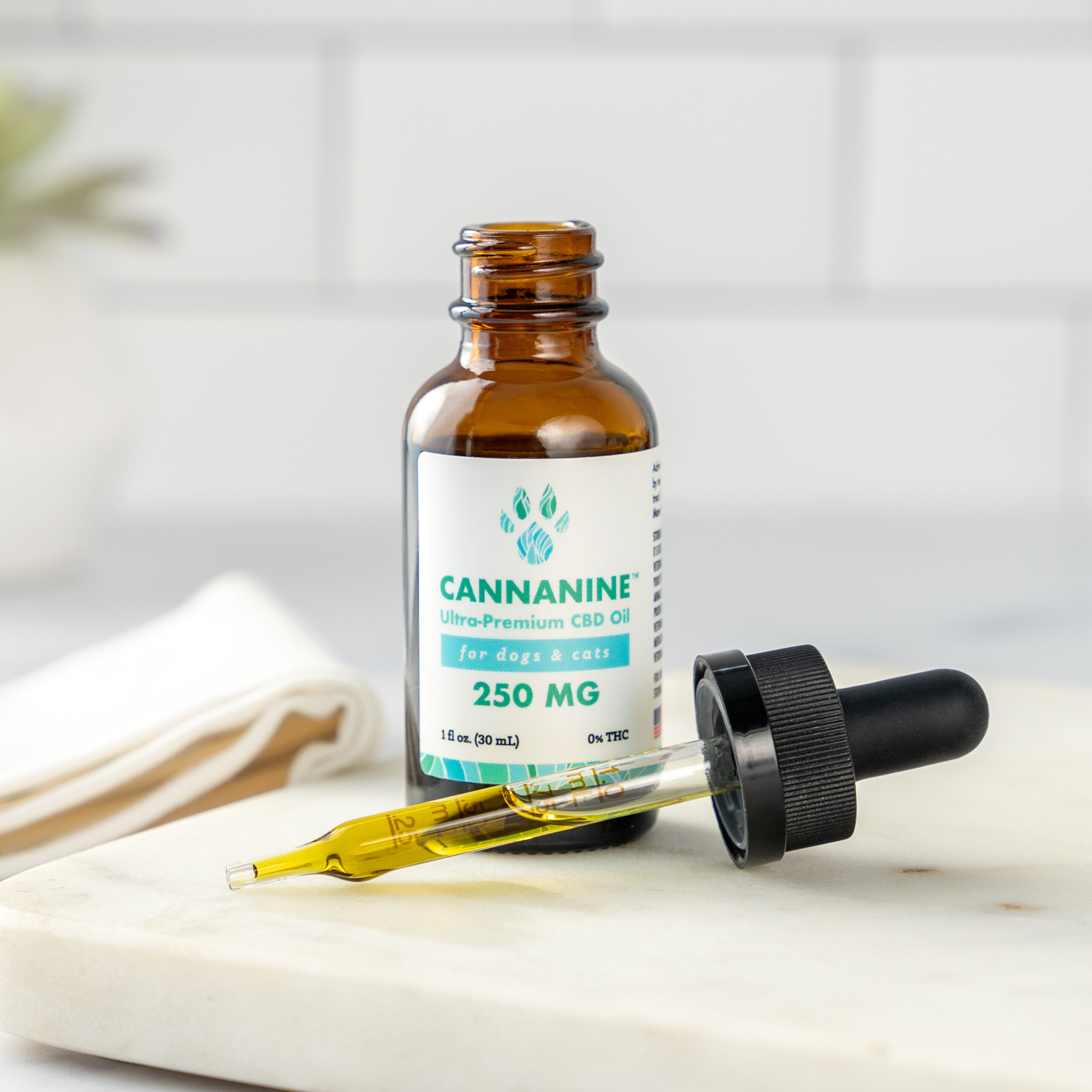
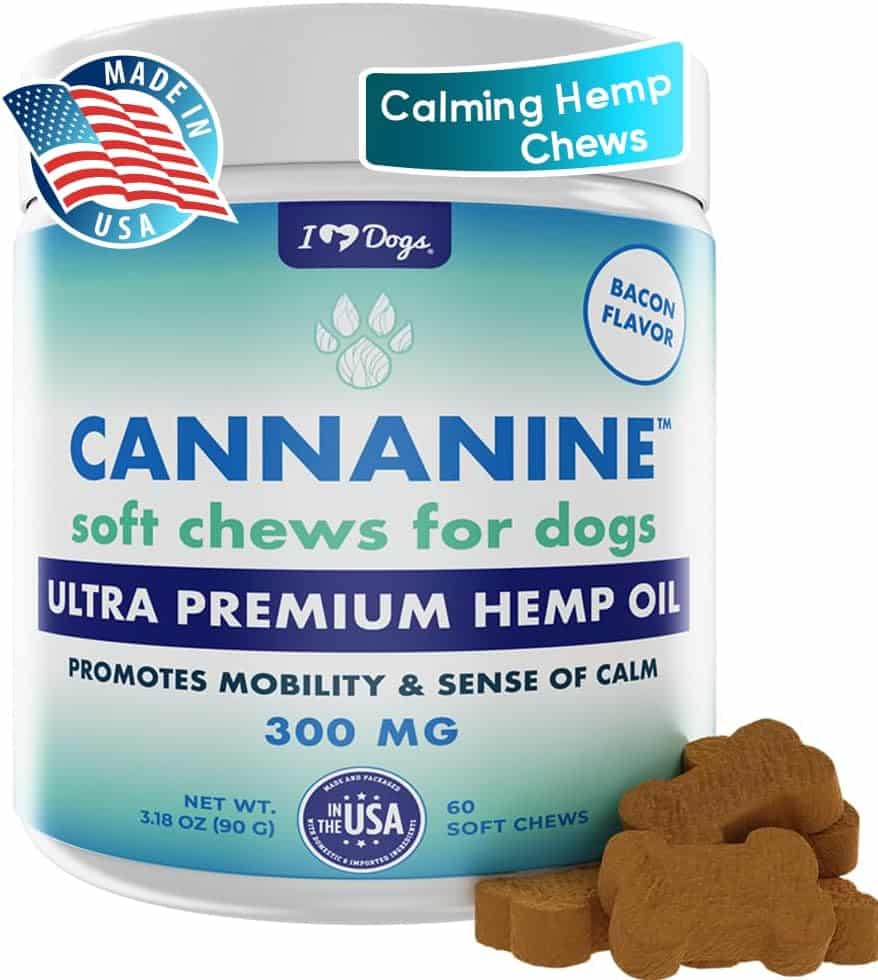
For best results, you can pair the Cannanine Ultra-Premium Broad Spectrum hemp Oil with our Cannanine Bacon-Flavored hemp Calming Chews. Together, these two supplements deliver 10 active, naturally calming ingredients—including hemp, melatonin, and valerian root—to promote relaxation and support emotional balance. Whether it’s fireworks, separation stress, or everyday anxiety, this powerful duo can help your dog feel safe, secure, and comforted.
Related: Top Pet Insurance Plans for Labs
Frequently Asked Questions About Labs Anxiety
1. Why do Labradors often struggle with anxiety?
Labradors are affectionate and people-oriented dogs, which makes them more prone to separation anxiety. Their strong desire for companionship means they can become stressed when left alone or when their daily routine changes.
2. What are the common signs of anxiety in Labradors?
Signs of anxiety include destructive chewing, excessive barking, pacing, restlessness, panting, whining, aggression, or withdrawal. Some Labs may also refuse food or show digestive upset when anxious.
3. How can I tell if my Lab’s anxiety is severe?
If your Labrador shows constant destructive behavior, self-harming tendencies, or panic when you leave, their anxiety may be severe. A veterinary evaluation can help determine the extent of the issue.
4. Can exercise help reduce my Lab’s anxiety?
Yes, Labradors are high-energy dogs that require plenty of exercise. Daily physical activity such as running, swimming, or long walks helps release excess energy and significantly lowers anxiety levels.
5. Do Labradors benefit from mental stimulation for anxiety relief?
Absolutely. Puzzle toys, obedience training, scent games, and interactive play provide mental enrichment, which helps distract Labs from anxious behaviors and keeps their minds engaged.
6. Can music or sound therapy calm my anxious Labrador?
Yes, soothing music or white noise can help calm anxious Labs, especially during thunderstorms or fireworks. Playing soft background sounds can reduce external triggers that cause stress.
7. Are there natural remedies to ease Labrador anxiety?
Natural calming aids include CBD oil, chamomile, valerian root, and L-theanine. Always consult your veterinarian before starting any supplement to ensure safety and proper dosage.
8. How can crate training help my Lab’s anxiety?
When introduced properly, a crate can provide Labradors with a safe, den-like space where they feel secure. Crate training can reduce stress during separation and give your dog a place to relax.
9. Should I use anxiety vests or wraps for my Labrador?
Yes, anxiety vests and wraps apply gentle pressure that mimics swaddling, helping Labradors feel secure. They are especially useful during travel, storms, or fireworks.
10. Can a change in routine trigger anxiety in Labradors?
Yes, Labs thrive on routine. Sudden changes in feeding, exercise, or owner schedules can cause stress. Keeping a consistent daily routine helps your dog feel safe and less anxious.
11. Is separation anxiety common in Labradors?
Yes, separation anxiety is one of the most common issues in Labradors due to their affectionate nature. Training, gradual desensitization, and leaving them with toys or treats can help ease their stress.
12. Can obedience training reduce my Lab’s anxiety?
Yes, obedience training builds confidence and strengthens the bond between you and your Lab. Structured training sessions also provide mental stimulation and help redirect anxious energy into positive behavior.
13. When should I consult a vet about my Labrador’s anxiety?
If your Labrador’s anxiety leads to destructive behavior, excessive vocalization, or self-harm, it’s time to consult a vet. A veterinarian can rule out medical causes and may suggest behavior therapy or medication.
14. Are Labradors more anxious than other breeds?
Labradors are not naturally more anxious than other breeds, but their strong bond with humans makes them more prone to separation anxiety. Their high energy levels can also contribute to stress if they are not exercised enough.
15. Can medication help calm my Labrador’s anxiety?
In severe cases, veterinarians may prescribe anti-anxiety medications or recommend supplements to support behavior therapy. Medication is typically used alongside training and lifestyle changes for the best results.

Helping Your Lab Find Calm
Anxiety can feel overwhelming, for both you and your Lab, but it doesn’t have to define your dog’s life. With patience, consistency, and the right tools, most Labs can overcome separation stress, noise phobias, or travel worries and return to their naturally happy, confident selves. Remember, every dog’s journey to calm will look different, so don’t be discouraged if progress feels slow. Even small steps forward are signs of healing. When combined with training and a loving routine, these solutions can make a world of difference in helping your Lab feel secure, relaxed, and ready to enjoy life by your side.
-
- Best Joint Supplement for Dogs
- Best CBD Gummies for Dogs
- Goat's Milk for Dogs
- Skin & Coat Supplements for Dogs
- Weight Gain Supplements for Dogs
- Muscle Building Supplements for Dogs
- Heart Supplements for Dogs
- Multivitamins for Dogs
- Pill Pockets for Dogs
- Digestive Enzymes for Dogs
- Turmeric for Dogs
- Liver Supplements for Dogs
- Tear Stain Supplement for Dogs
- Breath Fresheners for Dogs
- Kidney, Urinary, & Bladder Supplements for Dogs
- Stool Eating Deterrent for Dogs
- Eye Supplements for Dogs
- Melatonin for Dogs
- Apple Cider Vinegar for Dogs
- Green Lipped Mussels for Dogs
- L Theanine for Dogs
- Chondroitin Supplements for Dogs
- MSM for Dogs
- Valerian Root for Dogs
- Chamomile for Dogs
- Boswellia for Dogs
- L Tryptophan for Dogs
- Yucca for Dogs
- Licorice Root for Dogs
- Bromelain for Dogs
- Papain for Dogs
- Devil's Claw for Dogs
- Quercetin for Dogs
- Hemp gummy for dogs
- Best Hemp Dog Treats
- Best Hemp Oil for Dogs
- Best Calming Treats, Chews, & Supplements for Dogs
- Best Bone Broth for Dogs
- Best Fish Oil for Dogs
- Best Probiotics for Dogs
- Best Hip Dysplasia Supplements for Dogs
- Best Colostrum for Dogs
- Best Quercetin for Dogs
- Best Greens for Dogs Supplements
- Best Vitamin C Supplements for Dogs
- Best Probiotic for Dog with Allergies
- Best Taurine Supplements for Dogs
- Best Dog Food Toppers
- Best Anal Gland Supplement for Dogs
- Best Dog Probiotic Powder
- Best CoQ10 Supplement for Dogs
- Best Liquid Glucosamine for Dogs
- Best Wrinkle Creams, Balms, and Wipes for Dogs
- Best Puppy Calming Treats
- Best Colloidal Silver for Dogs
- Best Adaptogen Supplements for Dogs
- Best Cognitive Supplements for Dogs
- Best Bee Pollen for Dogs
- Best Vitamin A Supplements for Dogs
- Best Vitamin E Supplements for
- Best Liquid Glucosamine Supplements for Dogs
- Best SAM-e Supplements for Dogs
- Best Hyaluronic Acid Supplements for Dogs
- Best Apple Cider Vinegar Supplements for Dogs
- Best Diarrhea Medicine for Dogs
- Best Milk Thistle for Dogs
- Best Turkey Tail Mushroom Supplements for Dogs
- Best Astaxanthin Supplements for Dogs
- Best Lutein Supplements for Dogs
- Best Electrolyte Supplements for Dogs
- Best Coconut Oil for Dogs
- Best Prenatal Vitamins for Dogs
- Best Puppy Milk Replacements
- Best Iron Supplements for Dogs
- Best Dewormer Products for Dogs
- Best Mange Medications for Dogs
- Best Cough Relief Products for Dogs
- Best Sinus Relief Products for Dogs
- Best Collapsed Trachea Supplements for Dogs
- Best Fireworks Anxiety Relief Products for Dogs
- Best Thunderstorm Anxiety Relief Products for Dogs
- Best Travel Anxiety Relief Product for Dogs
- Best Supplements for a Dog with a Torn ACL
- Best Supplements for a Dog with Patellar Luxation
- Best Supplements for a Dog with Intervertebral Disc Disease
- Best Zinc Supplements for Dogs
- Best Biotin Supplements for Dogs
- Best Tart Cherry Supplements for Dogs
- Best Resveratrol Supplements for Dogs
- Best Ginkgo Biloba Supplements for Dogs
- Best Ashwagandha Supplements for Dogs
- Best Supplements for Dogs with Cushing's Disease
- Best Adrenal Supplements for Dogs
- Best NAD+ Supplements for Dogs
- Best NMN Supplements for Dogs
- Best Supplements for Dogs with Dementia
- Best Supplements for Dogs with CCD(Canine Cognitive Dysfunction)
- Best Fiber Supplements for Dogs
- Best Spirulina for Dogs
- Best Hairball Remedies for Dogs
- Best Eye Drops for Dogs with Allergies
- Best Magnesium Supplements for Dogs
- Best Brushes for Double-Coated Dogs
- Best Dandelion Root Supplements for Dogs
- Best Probiotic for Dogs with Yeast Infections
- Best Flaxseed Oil for Dogs
- Best Chamomile Supplements for Dogs
- Best Lavender Supplements. Treats & Sprays for Dogs
- Best Collagen Supplements for Dogs
- Best Kelp Supplements for Dogs
- Best Activated Charcoal for Dogs
- Best Slippery Elm Supplements for Dogs
- Best Supplements for Dogs with Seizures & Epilepsy
- Best Antioxidant Supplements for Dogs
- Best Ubiquinol Supplements for Dogs
- Best Hormone & Glandular Supplements for Dogs
- Best Thyroid Supplements for Dogs
- Best Iodine Supplements for Dogs
- Best Dog Shedding Supplements for Dogs
- Best Detox Supplements for Dogs
- Best Postbiotics for Dogs
- Best Aspirin Products for Dogs
- Best Dog Anti-Nausea Products
- Best Dog Mouthwashes
- Best Camelina Oils for Dogs
- Best Hemp Seed Oils for Dogs
- Best Natural Anti-Inflammatories for Dogs
- Best Cancer Supplements for Dogs
- Best Sardine & Anchovy Oils for Dogs
- Best Fatty Acid Supplements for Dogs
- Best Chia Seed Supplements & Treats for Dogs
- Best Olive Oils for Dogs
- Best Amino Acid Supplements for Dogs
- Best Moringa Supplements for Dogs
- Best Echinacea Supplements for Dogs
- Best Cranberry Supplements for Dogs
- Best D-Mannose Supplements for Dogs
- Best Nettle Leaf Supplements for Dogs
- Best Marshmallow Root Supplements for Dogs
- Best Astragalus Supplements for Dogs
- Best Pumpkin Seed Supplement for Dogs
- Best Supplements for a Dog Wetting The Bed
- Best Blueberry Supplement for Dogs
- Best Bromelain Supplements for Dogs
- Best Yucca Supplements for Dogs
- Best Ginger Supplements for Dogs
- Best Rosehip Supplements for Dogs
- Best Allergy Medicines for Dogs
- Best Reishi Mushroom Supplement for Dogs
- Best Maitake Mushroom Supplement for Dogs
- Best Chaga Mushroom Supplement for Dogs
- Best Shiitake Mushroom Supplement for Dogs
- Best Cordyceps Mushroom Supplement for Dogs
- Best Lion's Maine Supplement for Dogs
- Peptides for Dogs
- BPC-157 for Dogs
- CBD for Labs: What You Need to Know
- Best Supplements for a Senior Lab
- Best Flea & Tick Products for Labs
- Best Online Dog Training Courses for Lab
- Best Hip & Joint Supplement for a Lab
- What Supplements Should I Give a Lab Puppy?
- The 9 Best Lab Puppy Foods
- Best Dog Beds for Labs
- Improve Your Labs Skin & Coat with This One Hack
- Giving This to Your Lab Daily Can Alleviate Itchy Allergies
- 6 Natural Ingredients to Fight Your Labs Allergies
- 8 Ways to Stop Your Labs Scratching
- 7 Ways to Calm Your Labs Anxiety
- 6 Remedies for Your Labs Diarrhea, Gas, or Vomiting
- 7 Best Dental Chews for a Lab
 Toledo, United States.